Deepest plane vs. SMAS facelift: what actually changes beneath the skin
Why some facelifts look pulled and others look rested. A clear explanation of the facial layers, and why lifting from the deepest plane gives more natural, longer-lasting results.
Two people can have a 'facelift' and come out looking completely different. One looks rested; the other looks windswept. The difference is rarely the surgeon's skill with the skin. It is which layer of the face was actually lifted.
The face is built in layers
Beneath the skin lies fat, then a thin fibrous-muscular sheet called the SMAS, and beneath that the ligaments that tether the soft tissues to bone. Ageing is not only a loss of skin elasticity. The ligaments loosen, the fat pads of the cheek slide downward and the jawline loses its definition.
Three generations of facelift
- ·Skin-only lifts pull the surface. They smooth wrinkles briefly but do not reposition anything, and tension on the skin produces visible scars and a flat, stretched look.
- ·SMAS lifts tighten the muscular layer from above, often by folding or trimming it. They last longer, but the ligaments that hold the cheek down remain attached, which limits improvement in the midface.
- ·Deepest plane lifts go past the SMAS to the deepest plane of the face and release those ligaments, so skin, fat and muscle move together as one unit. The midface and the folds beside the nose respond, and the skin closes without tension.
Why direction matters
Faces descend downward and inward, so they should be lifted upward and slightly outward, not sideways toward the ear. A vertical lift restores the volume of the cheek where it belongs and avoids the horizontal pull that gives older facelifts away.
Where endoscopy comes in
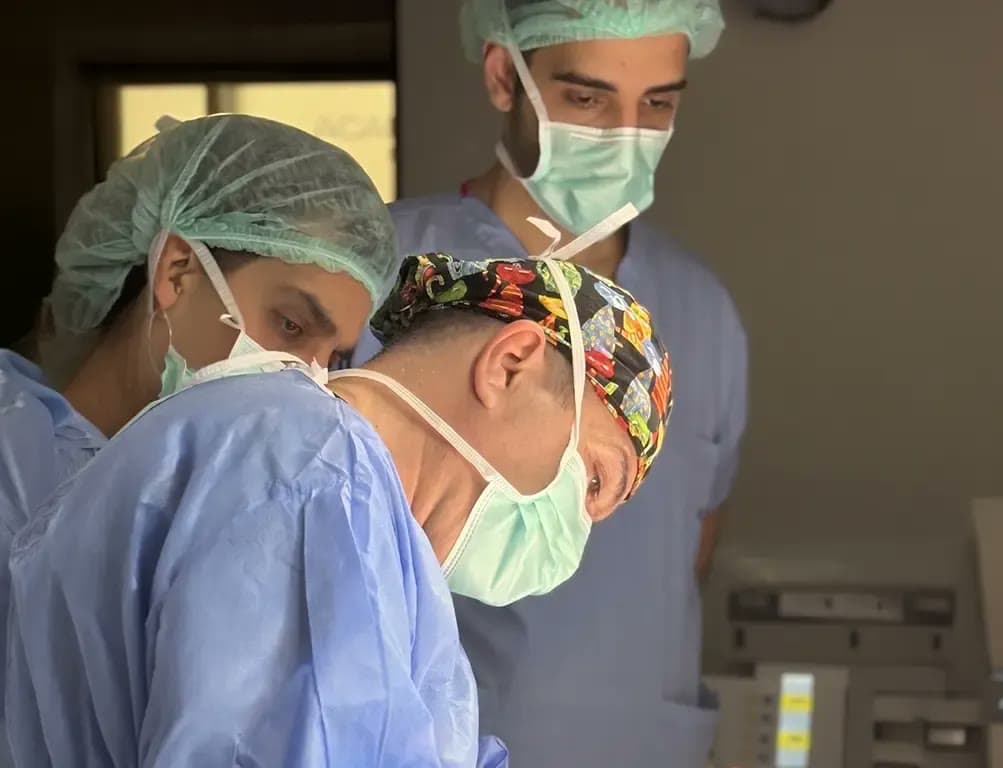
The lower face is only part of the picture. Descending brows and a flattened midface create a tired or sad expression that no lower facelift can correct. Prof. Tezel frequently combines the deepest plane lift with an endoscopic brow and midface lift, performed through small incisions in the hair, so the whole face moves in one coherent direction.
Read more about the deepest plane facelift and endoscopic facial contouring.
This article is for general information and does not replace a personal medical consultation.