The new standard is restraint: why natural results are harder to achieve
Patients increasingly ask for surgery nobody can see. Why natural results depend on structure, proportion and knowing when not to operate.
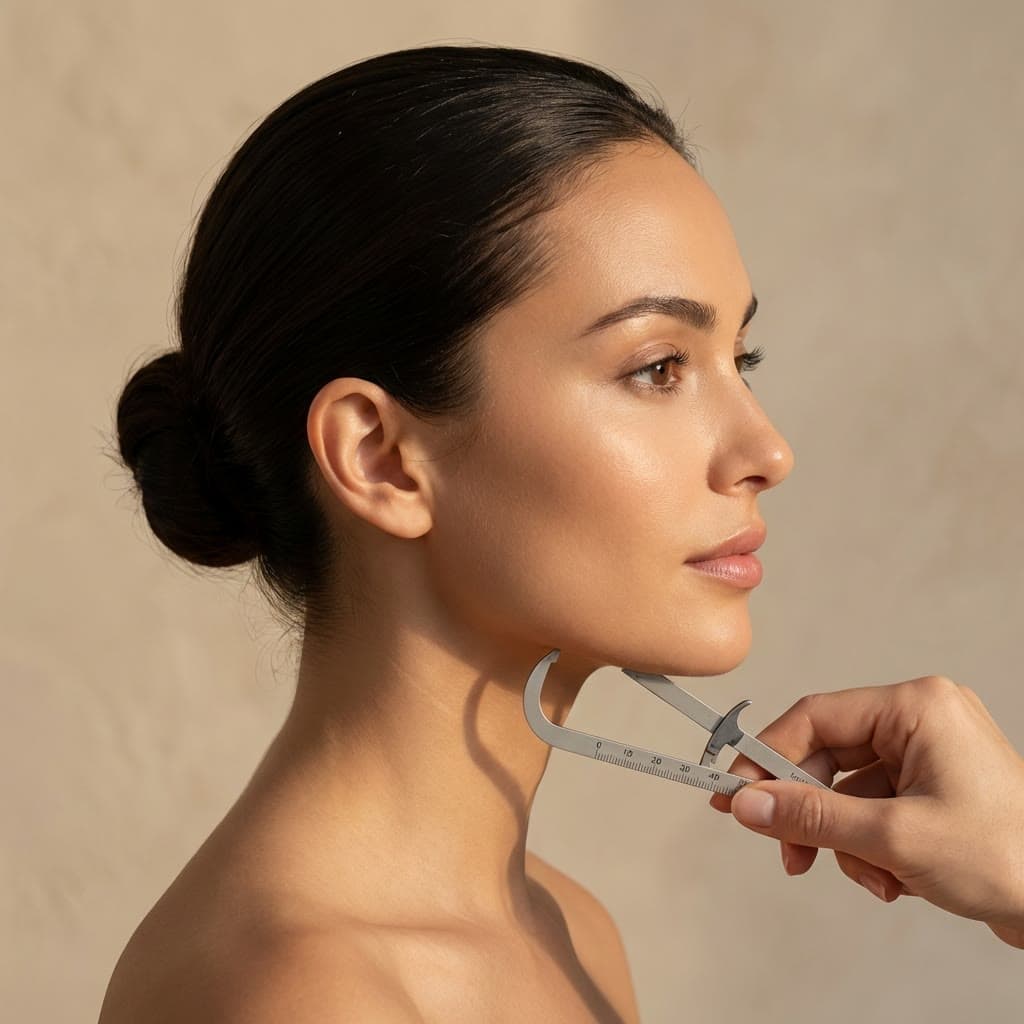
A decade ago, many patients wanted a visible change. Today the request we hear most often is the opposite: 'I want people to say I look well, not that I had something done.' Natural results have become the standard, and they are technically more demanding than dramatic ones.
Natural is a structural outcome
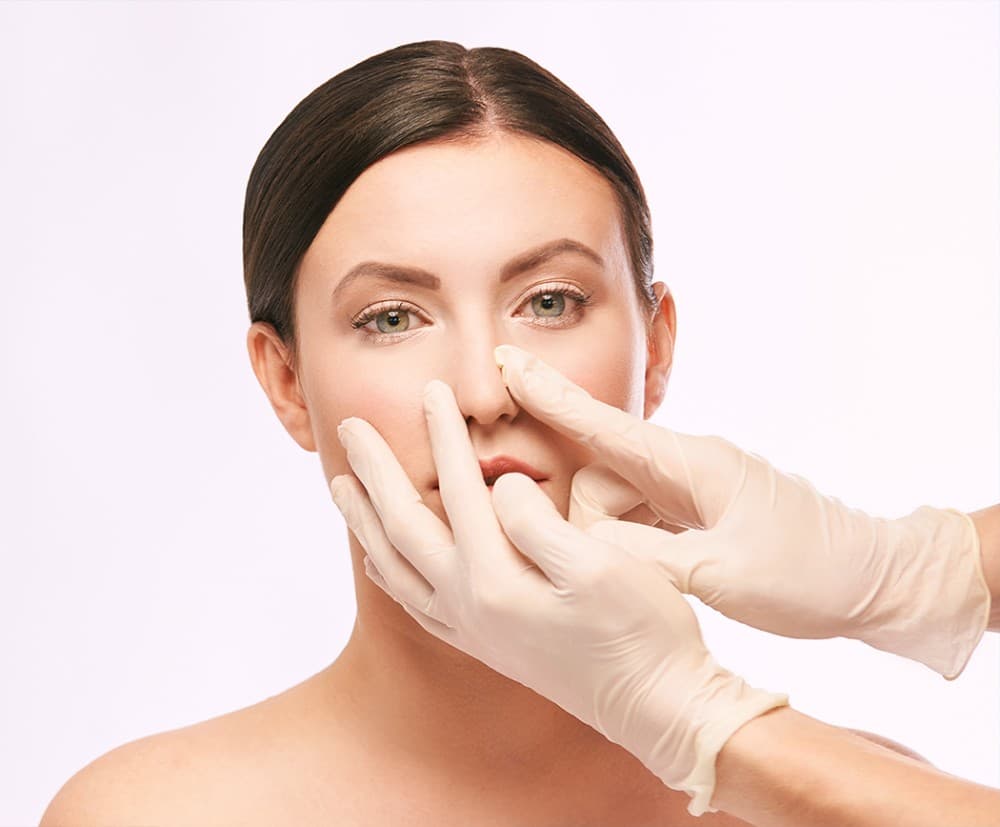
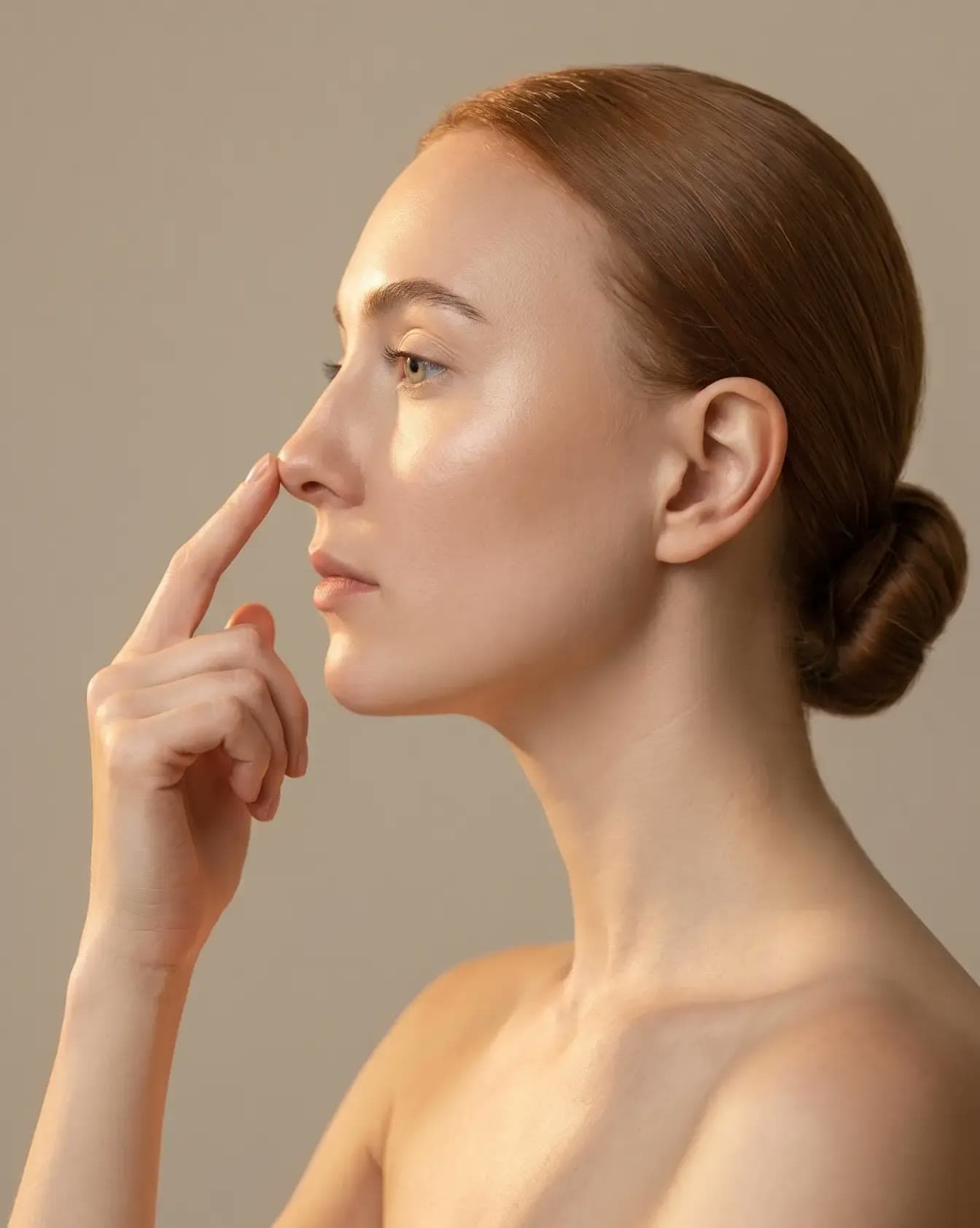
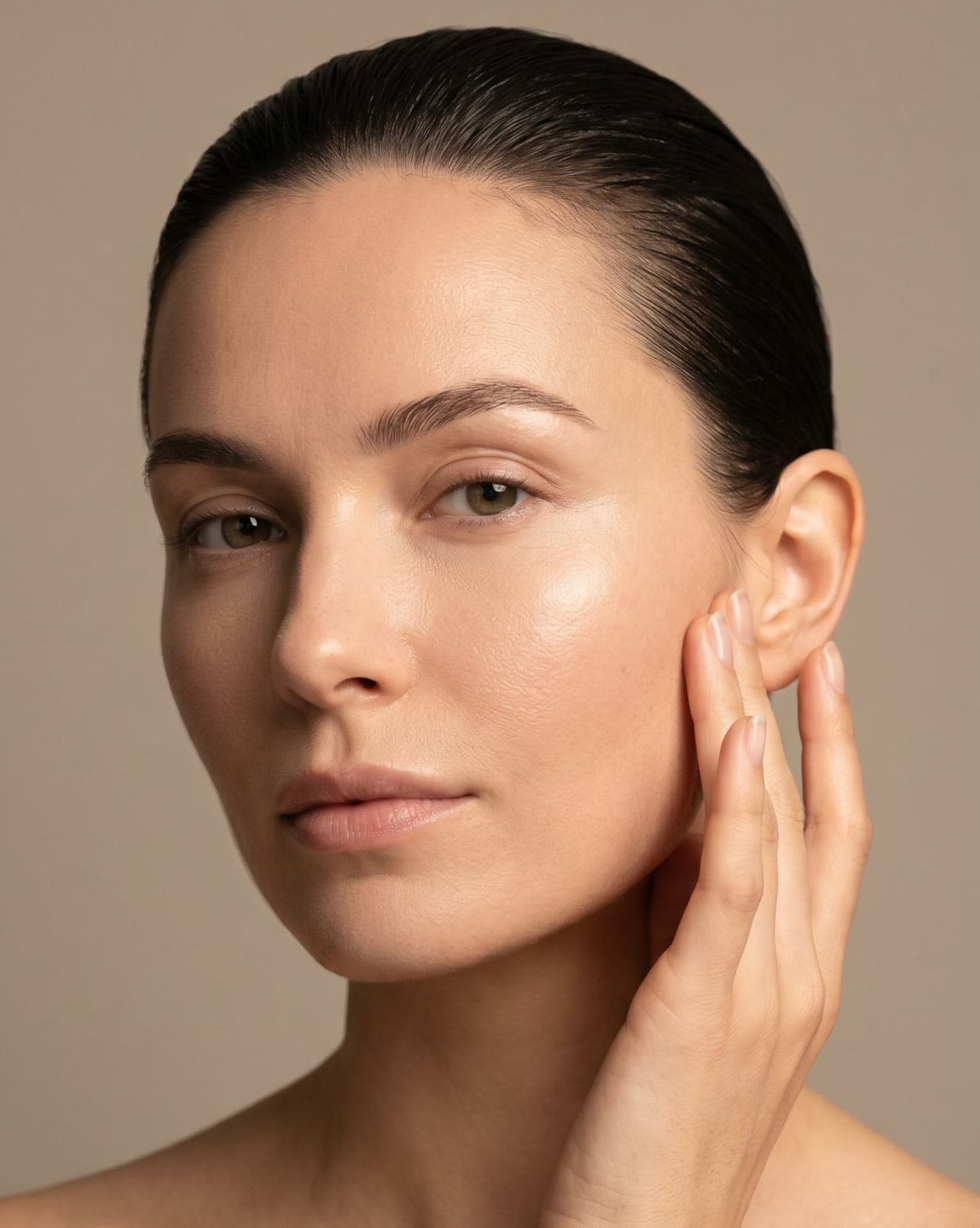
A nose looks operated when its parts stop relating to each other: a bridge carved too low for the tip, a tip turned up too far, a root that runs straight into the forehead. A face looks operated when skin is pulled in a direction the face never aged in. In both cases the cause is the same: changing the surface instead of the structure.
Proportion over perfection
There is no ideal nose or ideal face that suits everyone. Surgery should be planned around the proportions of the person in front of you: their forehead, their chin, their smile, how they move. Sometimes that means doing less than the patient expected.
“Sometimes the most valuable advice a surgeon can give is that you do not need an operation at all.”
The details that matter
Natural results live in small details: the depth of the angle between forehead and nose, a tip that does not drop when you smile, a facelift scar that follows the ear exactly, eyelids that keep their shape. These details take longer to plan and longer to execute, and they are where experience shows.
This article is for general information and does not replace a personal medical consultation.