Face & neck
Endoscopic Facial Contouring
A camera-guided lift of the brows, eye corners and cheeks through small incisions hidden in the hair: a fresher, brighter expression at any age.
Face & neck
A facelift should not announce itself. Prof. Tezel's deepest plane approach goes past the muscle layer to the ligaments that have let the face descend, and repositions cheeks, jowls and neck as one connected unit. The skin is redraped rather than stretched, so the face keeps its expressions and its identity.
Indicative figures. Your individual plan is confirmed at consultation.
The face is built in layers: skin, fat, a fibrous muscular layer called the SMAS, and deeper ligaments that anchor the soft tissues to the bone. With age those ligaments loosen and everything above them descends. The cheek fat slides down, the jawline blurs and folds deepen beside the nose and mouth.
A traditional skin-tightening facelift pulls on the surface. It smooths wrinkles, but it does not move what actually fell, and skin under tension stretches again, which is where the familiar windswept, 'operated' look comes from.
A deepest plane facelift does not stop at the SMAS. The dissection continues to the deepest plane of the face, the retaining ligaments that tether the soft tissues to the bone. Those ligaments are released, and skin, fat and muscle are lifted together as a single unit. Because that deepest layer carries the load, the skin closes without tension. The result is a face that looks lifted from within rather than pulled from the side.
Prof. Tezel introduced endoscopic facial surgery to Türkiye after a clinical fellowship in Baltimore with Dr. Oscar Ramirez, one of the pioneers of endoscopic facial rejuvenation, and has practised it for more than 25 years. His facelift philosophy comes from that work: the face is shaped in three dimensions, lifted upward and slightly outward, and treated as a whole.
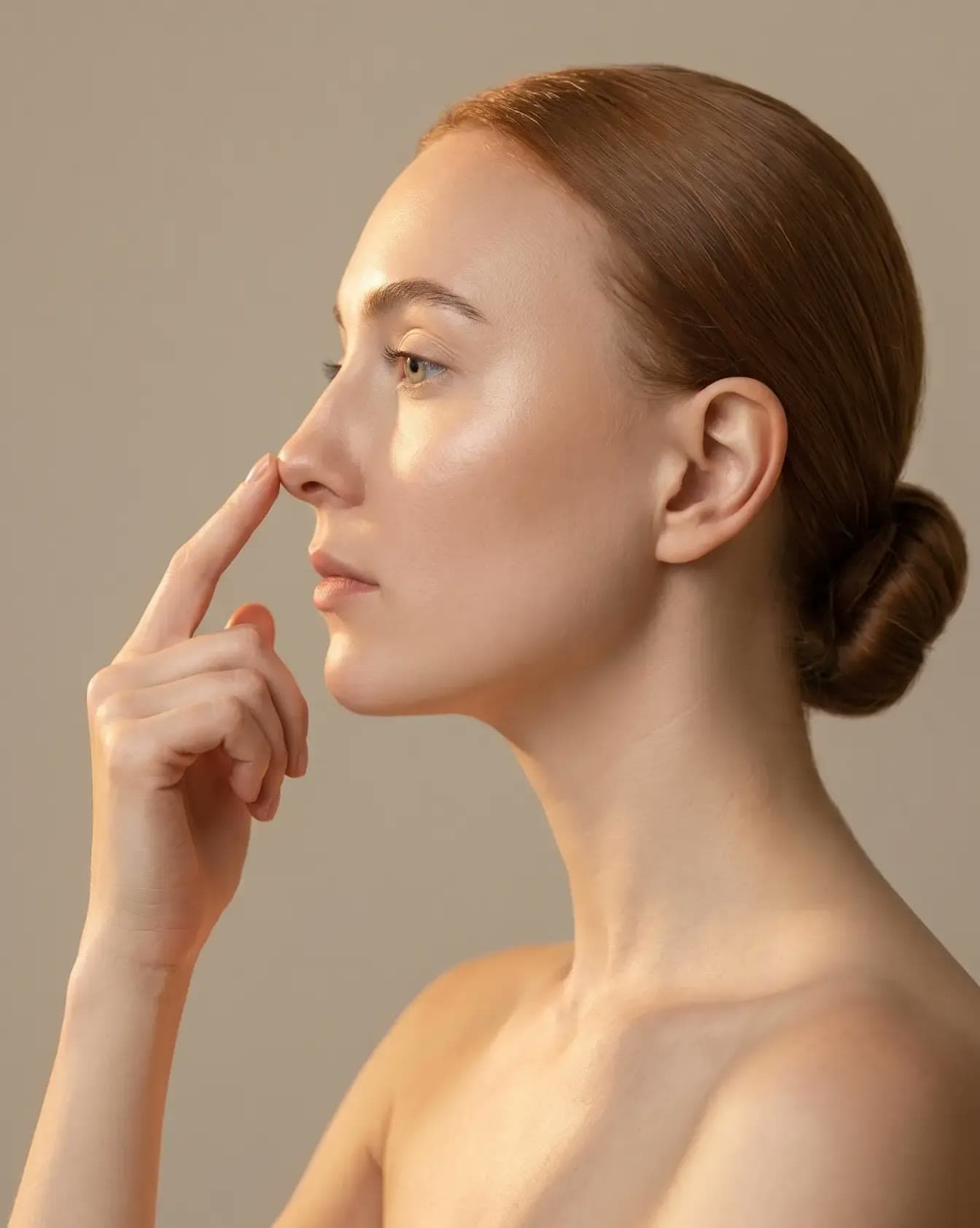
In practice, the deepest plane lift of the lower face and neck is frequently combined with an endoscopic lift of the brow and midface, performed through 1.5 cm incisions within the hair using a camera thinner than a pencil. Brows, the outer corners of the eyes and the cheeks rise together, the effect many people notice when they tie their hair back in a tight bun, and are held in position with dissolvable sutures.
Because the connection between the facial muscles and the skin is preserved, expression is not lost. Patients look rested and recognisably themselves, not tighter.
“Classical facelifts remove wrinkles, but that does not mean the person looks more beautiful afterwards. The aim is a younger face that still moves like your own.”
Most patients are between their mid-forties and their seventies. Younger patients with an early descent of the brows or midface may be better served by endoscopic facial contouring alone. Good general health and not smoking are essential for safe healing.
Incisions run inside the hairline at the temples and follow the natural contours in front of and behind the ear. The hair is not shaved. When an endoscopic component is added, its small access points are hidden in the scalp. Because the closure carries no tension, scars heal fine and are designed to be very difficult to find.
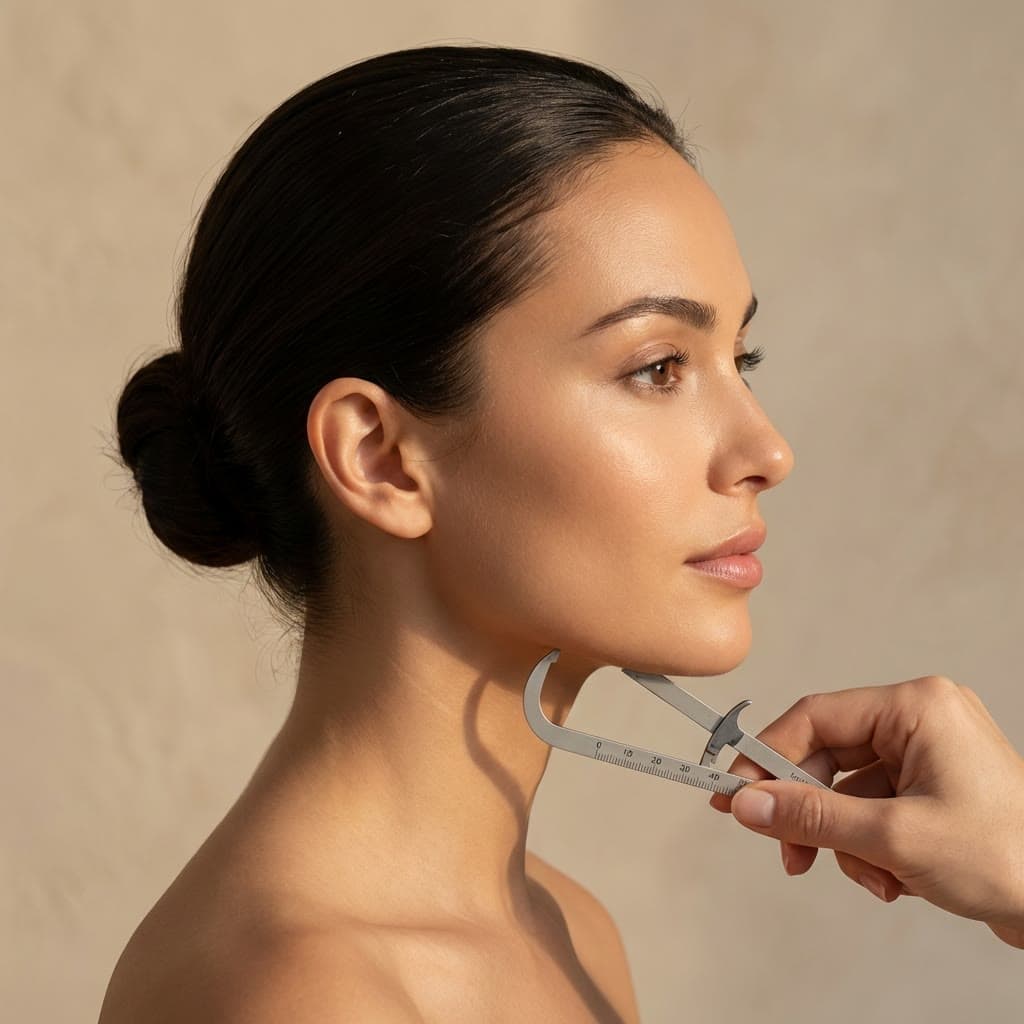
A youthful face needs a clear angle between jaw and neck. Depending on your anatomy, the facelift may be combined with tightening of the platysma muscle through a short incision under the chin, removal of deep fat or liposuction, to restore that line. Read more about neck lift.
No operation stops time. But because a deepest plane facelift repositions the deepest layer of the face instead of stretching skin, results are typically long-lasting and the face continues to age gently from its new starting point. Sun protection, a stable weight and not smoking all help.
Possible complications include haematoma, temporary numbness, temporary weakness of facial movement, visible scarring, asymmetry and hair thinning near the incisions. Working in the deepest plane requires detailed anatomical knowledge, and experience is what keeps these risks low. Every risk is discussed with you in detail before you decide.
Patient story
A 42-year-old patient describes years of fatigue showing on her face, and how facial rejuvenation with Prof. Tezel restored her expression.
Questions
A SMAS facelift tightens the muscular layer from above, often by folding or trimming it, and leaves the deeper ligaments attached. A deepest plane facelift goes past that layer to the deepest plane of the face, releases the ligaments that hold the tissues down and moves skin, fat and muscle together. This is more effective for the midface and the folds beside the nose and mouth, and it avoids placing tension on the skin.
The technique is designed to avoid exactly that. The lift is vertical and carried by the deep tissues, so the skin is redraped without tension and the connection between muscles and skin, your expression, is preserved.
If your main concern is early descent of the brows or cheeks rather than loose skin, an endoscopic facial contouring may be the better option. Prof. Tezel will recommend the least invasive procedure that achieves your goal.
Yes. Many patients combine a facelift with eyelid surgery or rhinoplasty in a single session when it is safe to do so. Combined procedures may extend your stay in Istanbul by a few days.
Plan for 12 to 14 days. Stitches are removed in stages during the first week and you are checked before you are cleared to fly.
Inside the hairline at the temples and along the natural contours around the ear. Endoscopic access points are hidden in the scalp. Hair is not shaved.
Related
Face & neck
A camera-guided lift of the brows, eye corners and cheeks through small incisions hidden in the hair: a fresher, brighter expression at any age.
Face & neck
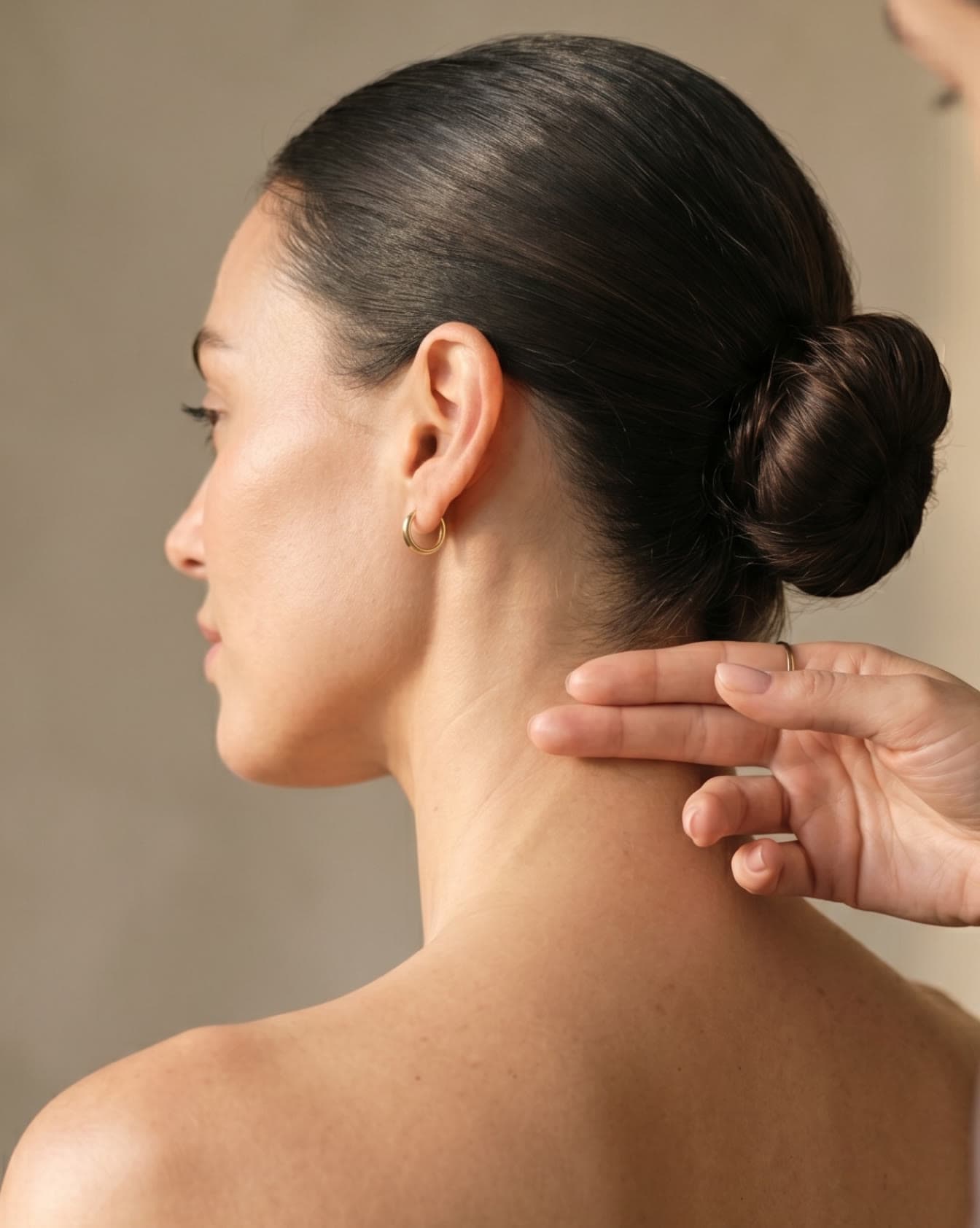
A clear angle between jaw and neck, through muscle tightening, fat removal or a lift, depending on what your neck actually needs.
Face & neck
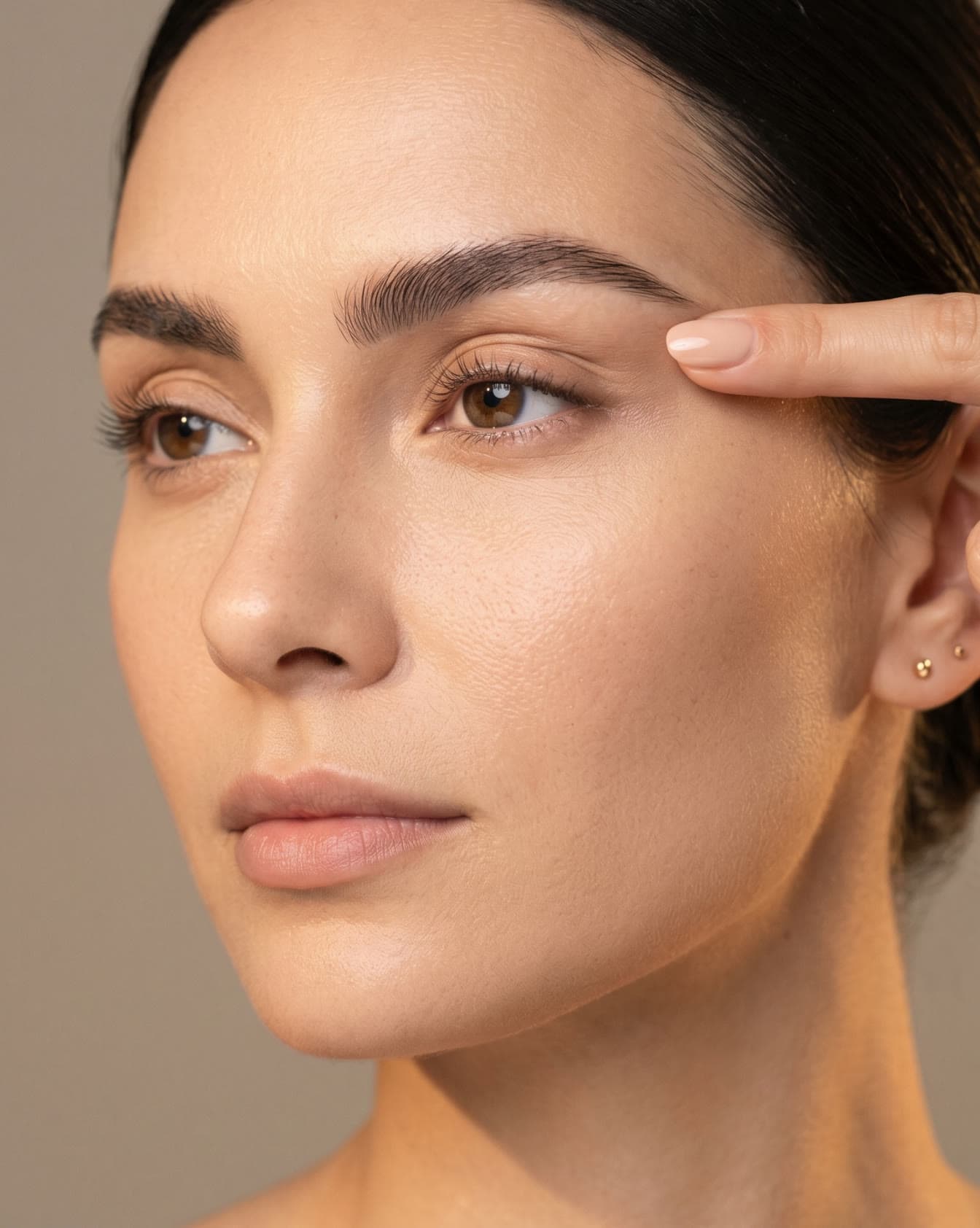
Refreshing heavy upper lids and lower-lid bags while keeping the natural shape of your eyes, informed by oculoplastic training.
Journal
Send your photographs and questions. Prof. Tezel reviews every case personally, and our international patient team replies within one working day.