Endoscopic facial surgery: smaller incisions, three-dimensional results
How a camera thinner than a pencil changed facial rejuvenation, and why Prof. Dr. Erdem Tezel has used endoscopic techniques for more than 25 years.
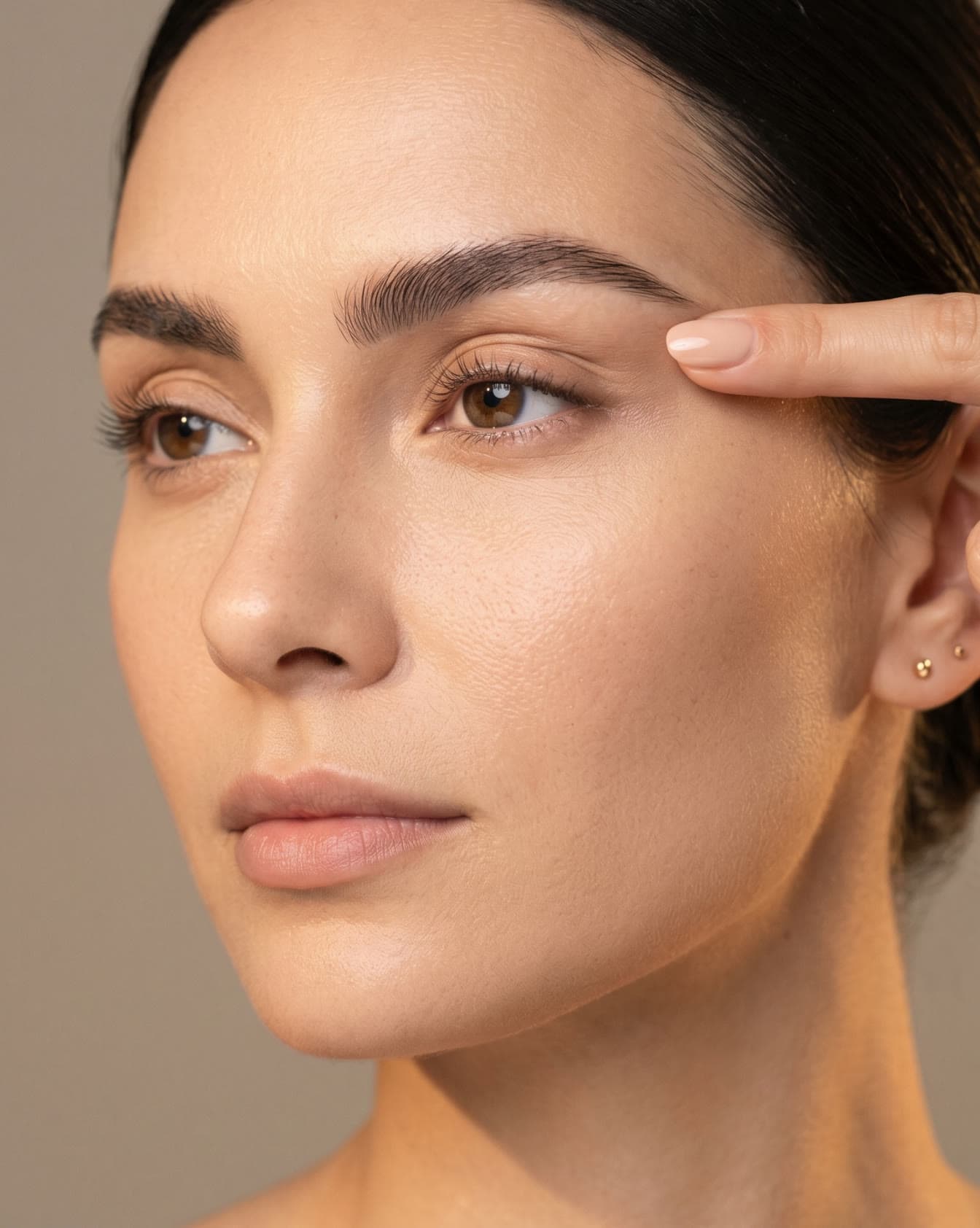
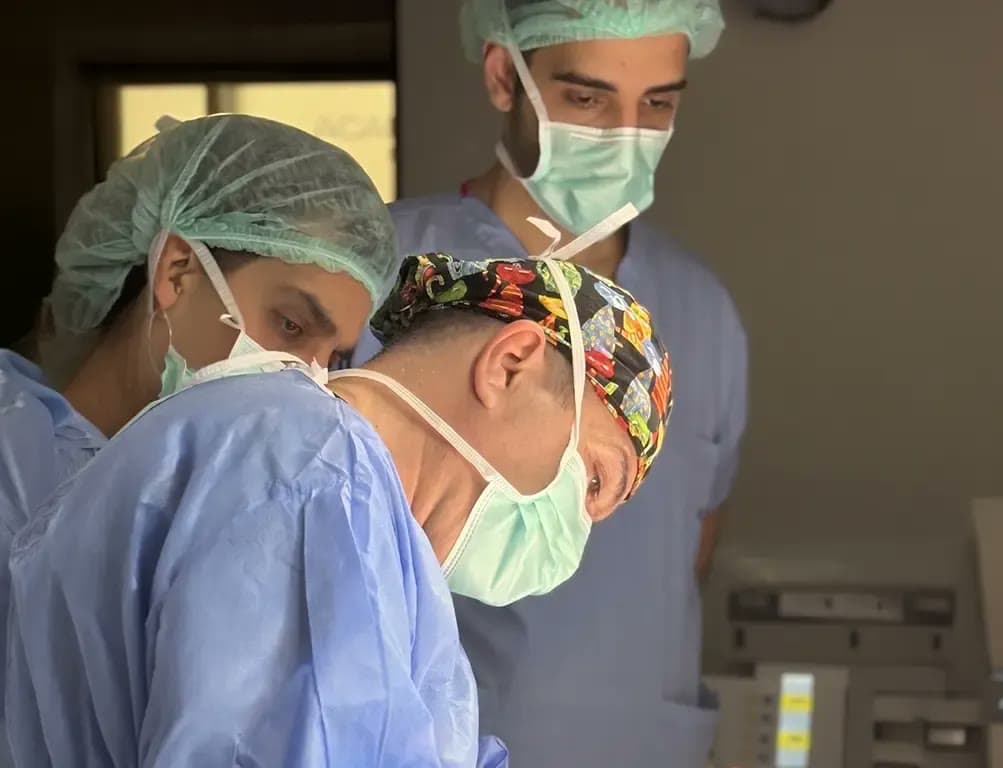
Endoscopic surgery began in medicine as a way to operate inside the body without opening it. Applied to the face, it allows the surgeon to lift the brows, the outer corners of the eyes and the cheeks through a few incisions of about 1.5 cm hidden in the hair, while watching every step on a screen.
From Baltimore to Istanbul
Prof. Tezel completed a clinical fellowship at the International Center for Endoscopic and Minimally Invasive Aesthetic Surgery in Baltimore with Dr. Oscar Ramirez, one of the founders of full endoscopic facial rejuvenation, and introduced the technique to Türkiye. He has been developing and applying it ever since.
What makes it different
- ·Minimal incisions: hidden in the hair, without shaving.
- ·Three-dimensional shaping: the tissues are lifted upward and slightly outward as a whole, not stretched in one direction.
- ·Preserved expression: the link between facial muscles and skin is not disrupted, so the face moves naturally.
- ·Faster recovery: less swelling and bruising than open surgery; most patients return to work after about two weeks.
Who it helps
Older patients use it to restore the oval of the face. Younger patients, often in their twenties and thirties, use it to correct features they were born with: low brows, downturned eye corners or a heavy midface that make them look tired or unhappy. The aim is the same in both groups: a face that reflects how the person feels.
This article is for general information and does not replace a personal medical consultation.