When Can I Fly Home After Facial Surgery in Istanbul?
How long to stay in Istanbul before flying back to the UK after facial surgery, procedure by procedure, plus practical advice for a safer, more comfortable journey home.
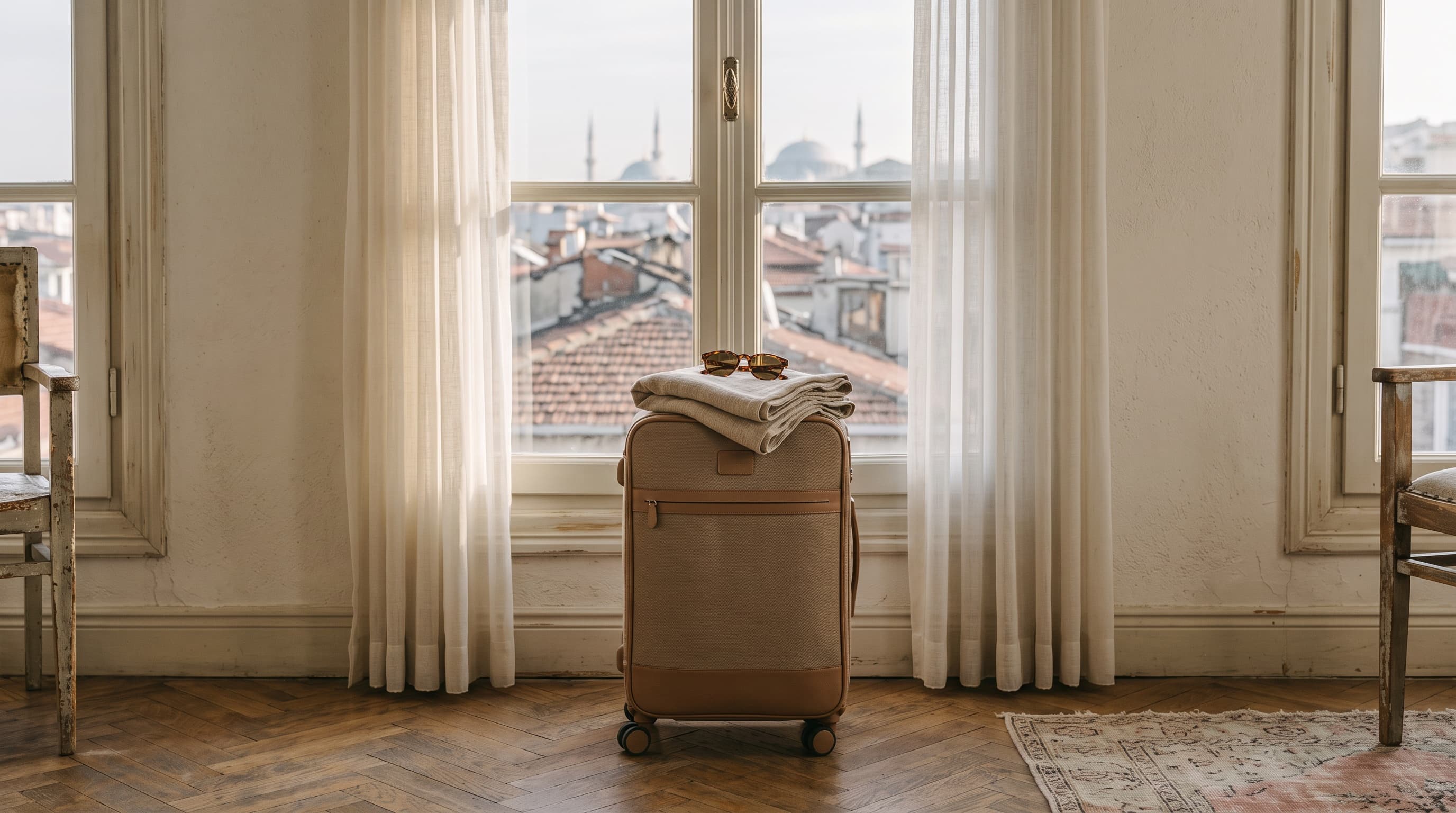
One of the first practical questions UK patients ask is when they can fly home after facial surgery. The honest answer is that it depends on the operation and on how you are healing, but there is a sensible general rule: the NHS recommends not flying for 7 to 10 days after facial cosmetic procedures. At Prof. Tezel's clinic, every patient has a check-up before being cleared to fly, and the length of stay is planned around the procedure from the start.
Why you should not fly too soon
Any operation temporarily changes how your blood clots, and long periods of sitting still slow the blood flow in your legs. Together they increase the risk of deep vein thrombosis (DVT), a clot in a deep vein, usually in the leg, which can be dangerous if part of it travels to the lungs. The NHS guidance on cosmetic surgery abroad recommends not flying for 7 to 10 days after facial procedures for this reason.
There are also simpler, local reasons to wait. Stitches and nasal splints need to be removed, swelling is at its peak in the first few days, and your surgeon needs to see that wounds are healing well before you are out of easy reach.
How long to stay in Istanbul, by procedure
The figures below come from Prof. Tezel's treatment plans. They are typical ranges; your own plan is confirmed at consultation.
| Procedure | Typical time in Istanbul | Usually cleared to fly |
|---|---|---|
| Eyelid surgery | About 7 days | After stitch removal, around day 5 to 7 |
| Closed rhinoplasty | 8 to 10 days | After the splint is removed, around day 7 |
| Neck lift | 7 to 10 days | After your post-operative check |
| Endoscopic facial contouring | About 10 days | After your post-operative check |
| Revision rhinoplasty | 10 to 12 days | After splint removal, between day 7 and day 10 |
| Deepest Plane Facelift | 12 to 14 days | After a check-up between day 10 and day 14 |
If you are combining procedures, for example a Deepest Plane Facelift with eyelid surgery, plan for the longest of the stays above plus a few days. Our guide to the Deepest Plane Facelift in Istanbul explains that recovery in more detail.
What 'cleared to fly' means
Being cleared to fly is a clinical decision made at a check-up, not a date on a booking. Before you leave, Prof. Tezel's team will usually:
- ·Check wounds and remove stitches or splints as planned
- ·Look for signs of bleeding, infection or a collection of blood under the skin
- ·Review your medication and give you written aftercare instructions
- ·Explain how remote follow-up works once you are home, and who to contact
Because healing varies, we recommend booking a flexible or changeable return flight. Most patients fly on schedule, but a day or two of extra rest is far easier to arrange in advance than at the airport.
Choosing your flight
Direct flights between Istanbul and the main UK airports take around four hours, which is shorter than many long-haul routes but still long enough to take blood clot precautions seriously. A few practical choices help:
- ·Book a direct flight where possible, to avoid a long layover and extra walking with luggage
- ·Choose a daytime flight so you are not travelling while very tired
- ·Pay for extra legroom or an aisle seat if you can, so it is easier to move
- ·Arrange airport transfers at both ends rather than relying on public transport
- ·Keep your booking flexible in case you need an extra day of rest
How to lower the risk of a blood clot on the flight
Follow the specific advice you are given, as it is tailored to your health and your operation. General measures that are commonly recommended include:
- ·Walk around the cabin when it is safe to do so, and flex and point your feet regularly while seated
- ·Drink water regularly and avoid alcohol before and during the flight
- ·Wear loose, comfortable clothing
- ·Wear compression stockings only if your surgeon or doctor advises them, and in the correct size
- ·Take any prescribed medication exactly as instructed
Know the warning signs. The NHS lists symptoms of DVT such as throbbing or cramping pain, swelling, warmth and changes in skin colour in one leg. Sudden breathlessness or chest pain needs emergency help: call 999 in the UK.
Procedure-specific tips for the journey
After rhinoplasty
Avoid any pressure on the nose. Heavy glasses resting on the bridge, a tight eye mask or sleeping face down against a window should be avoided in the weeks after surgery. Some stuffiness is normal, and your surgeon will tell you whether any nasal spray is appropriate during the flight.
After a facelift or neck lift
Keep your head raised and avoid bending forward for long periods. A travel pillow that supports the neck without pressing on the incisions behind the ears can help. A scarf and a hat or hood make the journey feel more private while swelling and bruising settle.
After eyelid surgery
Dry air in the cabin can make healing eyes feel dry. Use any eye drops or ointment you have been prescribed, and pack sunglasses for bright light at both ends of the journey.
What to pack in your hand luggage
- ·All prescribed medication, in original packaging, with your written aftercare instructions
- ·Your clinic's contact details and a summary of your operation for your GP
- ·A refillable water bottle (filled after security)
- ·A neck pillow, scarf and sunglasses
- ·Any eye drops or ointment you have been prescribed
- ·Light, easy snacks
Ask for help with heavy bags. Lifting a suitcase into an overhead locker is exactly the kind of strain you should avoid in the first weeks.
After you land
Plan a quiet few days at home. Let your GP practice know about your operation and share the summary you were given, and keep your follow-up appointments, which are carried out remotely. Check what your travel insurance covers before you go: the NHS points out that standard travel insurance does not normally cover problems arising from surgery, so specialist cover is worth considering. Our guide to planning facial surgery in Istanbul and the UK patients page cover insurance and travel in more detail.
01Can I fly the day after facial surgery?
No. The NHS recommends not flying for 7 to 10 days after facial cosmetic procedures because of the risk of blood clots, and your stitches, splints and wounds need to be checked first.
02How long should I stay in Istanbul after a facelift?
Plan for 12 to 14 days. Most patients are cleared to fly after a check-up between day 10 and day 14.
03How soon can I fly after rhinoplasty?
After a closed rhinoplasty, patients are usually ready to fly once the splint is removed, around day 7. After revision rhinoplasty, plan for 10 to 12 days in Istanbul.
04Should I wear compression stockings on the flight?
Only if your surgeon or doctor advises them. They can help some people, but they need to be the right type and size for you.
05What happens if I need help after I get home?
You will have contact details for the clinic and remote follow-up appointments. For any urgent concern, contact your GP or NHS 111, and call 999 in an emergency.
Plan your stay before you book
The length of your stay is part of the surgical plan, not an afterthought. Send your photographs for review and Prof. Tezel's team will give you a realistic timeline for your procedure before you book flights.
Results vary between individuals. The information on this website is for general guidance and does not replace a personal medical consultation. Surgery carries risks, which are discussed before any decision. A consultation is required to determine suitability.