Some look good on screen. Some look great.
Why cameras exaggerate a round face or a downward curve at the eyes, and how subtle endoscopic contouring helps actors and presenters look their best.
Film, television and social media have made the camera part of many people's working lives. Actors, presenters and creators quickly learn that the screen forgives very little: features that go unnoticed in person can dominate a close-up.
The concerns young performers bring to my office are remarkably consistent. On camera their face looks too round or too full. The outer corners of the eyes and mouth curve slightly downward when they speak, giving them a lower-energy expression than they actually have.
Small changes, large effect
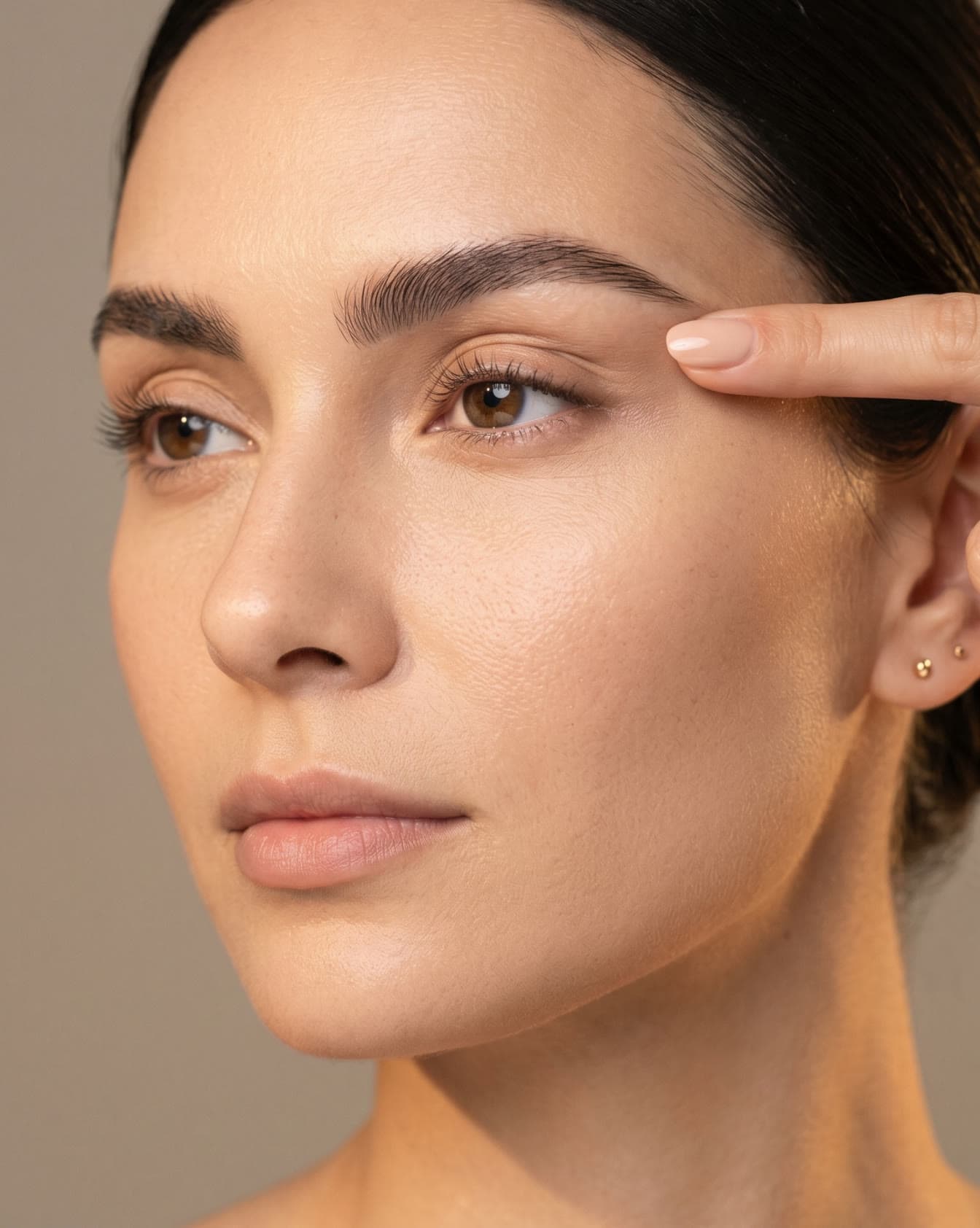
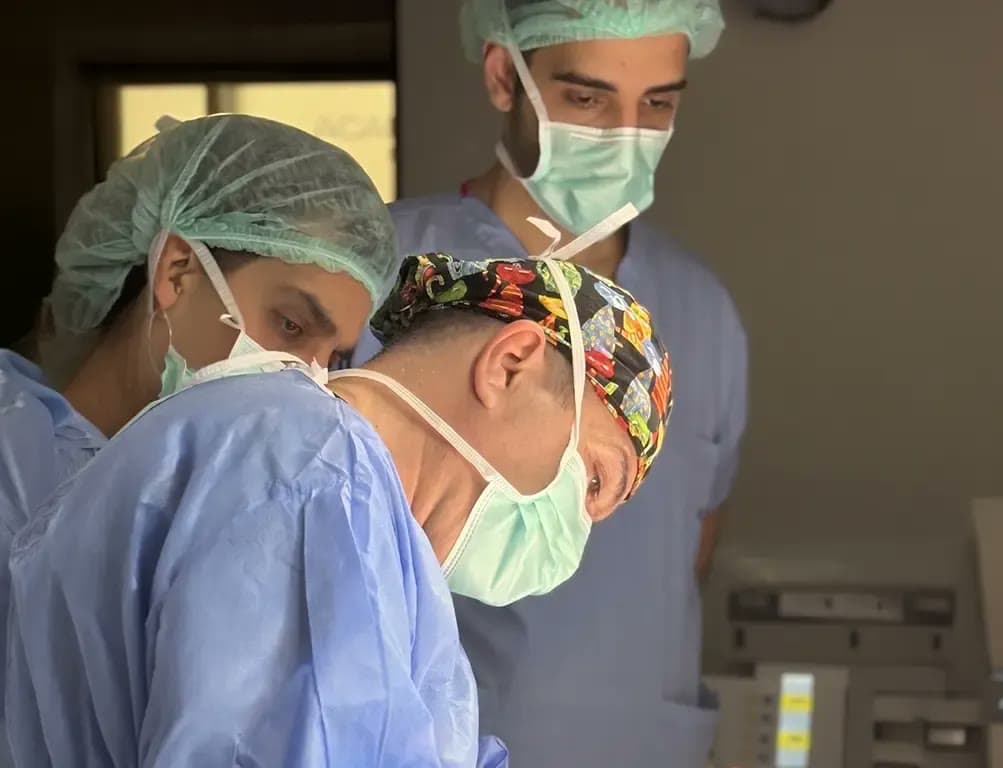
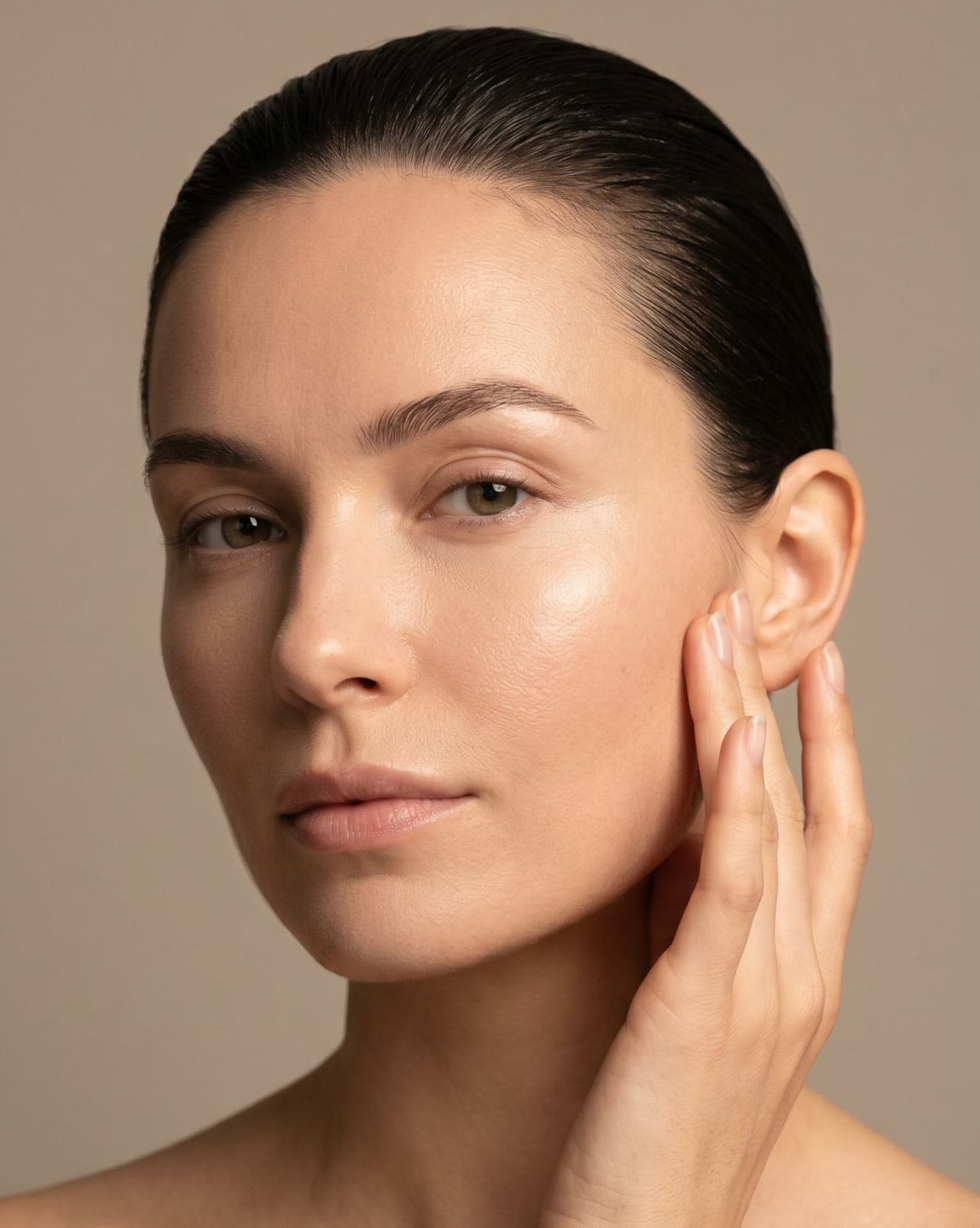
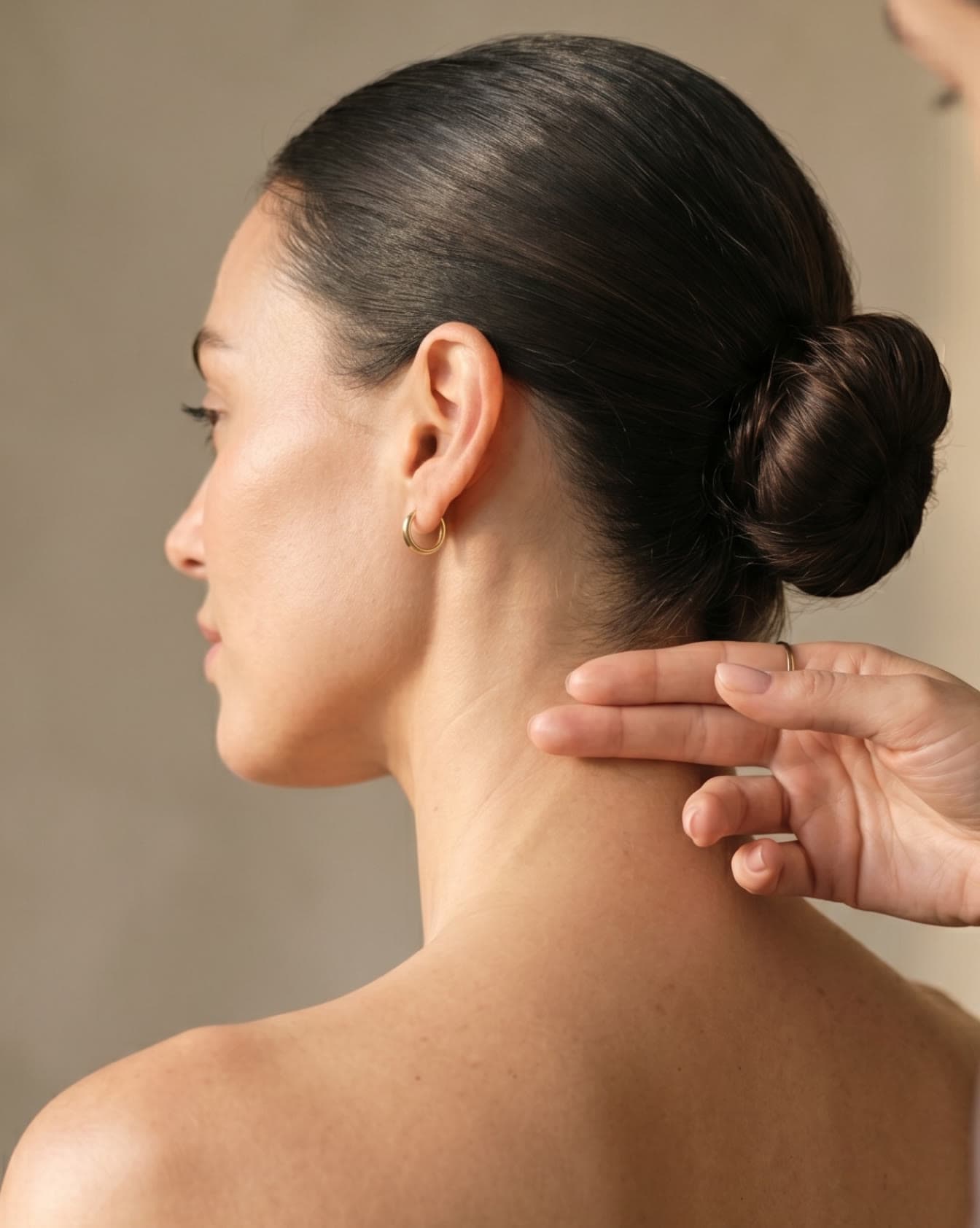
For these patients I often recommend an endoscopic facial contouring planned around their specific face. Through small incisions in the hair, the brows and cheeks are lifted slightly upward and the eye corners are reshaped, the same effect as pulling the hair back with your hands. The face takes on a more oval shape and the cheekbones become more defined.
Because all layers of the face are moved together and not only the skin, expressions are preserved and no visible scar remains. On screen, what people notice is energy, not surgery.
Read more about endoscopic facial contouring.
This article is for general information and does not replace a personal medical consultation.