Rhinoplasty in Turkey: What UK Patients Should Know Before Booking
A practical guide for UK patients considering rhinoplasty in Turkey: closed versus open surgery, Prof. Tezel's tip-oriented technique, choosing a surgeon, recovery and travel.
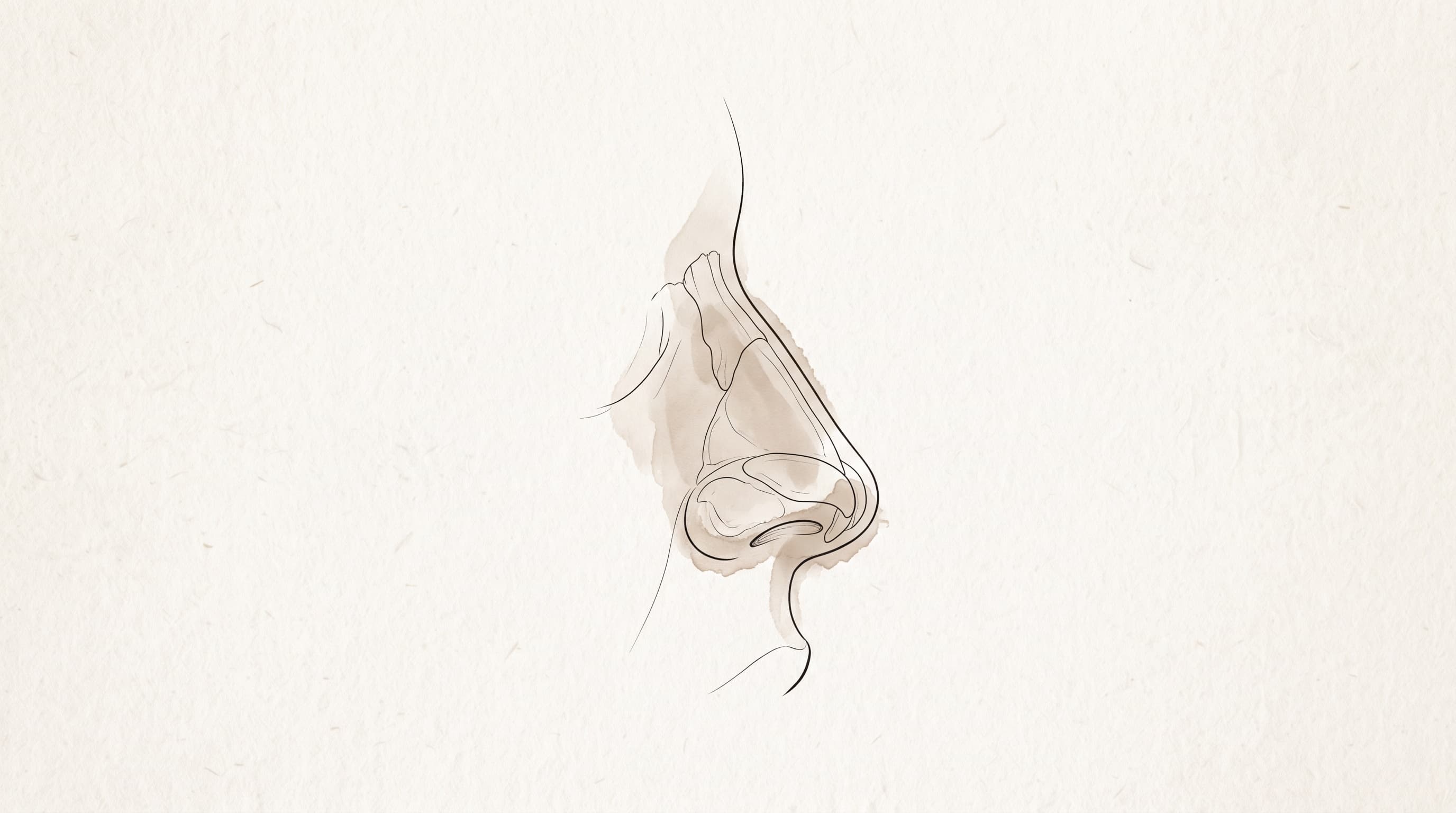
Rhinoplasty in Turkey has become one of the most searched cosmetic procedures among UK patients, and Istanbul has some highly experienced nose surgeons. It also has clinics that sell rhinoplasty as a quick, packaged product. The difference matters: a nose operation is not easy to undo, and many of the patients who later need a revision were never properly assessed the first time. This guide explains how Prof. Dr. Erdem Tezel approaches rhinoplasty, what recovery in Istanbul looks like, and the questions worth asking any surgeon before you book.
Is rhinoplasty in Turkey a good idea for UK patients?
It can be, if the surgeon is right for you and the process is not rushed. The NHS guidance on cosmetic surgery abroad recommends checking how surgeons are regulated, asking about their training and experience, having two consultations before surgery to allow a cooling-off period, and planning for what happens if something goes wrong. Those steps apply in Istanbul exactly as they would anywhere else.
Rhinoplasty abroad is probably not the right choice if you would feel uncomfortable being away from home for around ten days, if you cannot plan for remote follow-up, or if you are being encouraged to decide quickly. A reputable surgeon will give you time.
Closed or open rhinoplasty?
There are two main ways to operate on the nose. In open rhinoplasty, a small incision is made across the columella, the strip of skin between the nostrils, and the skin is lifted off the framework. In closed rhinoplasty, every incision is inside the nostrils.
| Feature | Closed rhinoplasty | Open rhinoplasty |
|---|---|---|
| Incisions | Inside the nostrils only | Inside the nostrils plus one across the columella |
| External scar | None visible | A small scar under the nose, usually fine once healed |
| Skin attachments | Largely preserved | Skin lifted off the framework |
| Swelling | Generally shorter | Generally longer, especially at the tip |
| Seeing the result during surgery | The skin stays where it will heal | Judged once the skin is redraped |
Prof. Tezel works through the closed approach whenever the anatomy allows. Some noses, particularly heavily scarred revision cases, still need an open approach, and this is decided at consultation rather than on the day of surgery.
How Prof. Tezel approaches rhinoplasty
The tip leads the operation
Many people assume rhinoplasty is mainly about removing a hump. In Prof. Tezel's tip-oriented approach, the nasal tip is the anchor of the whole operation. When the tip is given the right height and angle, the hump often looks smaller on its own, so far less needs to be taken from the bridge. A nose that has been reshaped rather than reduced is more likely to look like it was always yours.
A tip that stays where it was placed
A common reason for revision surgery is a tip that drops over time or droops when the person smiles. Prof. Tezel addresses this with the septocolumellar suture, a technique he published in the Annals of Plastic Surgery in 2007. The tip cartilages are fixed to the septum, the central cartilage wall of the nose, with a sequence of stitches that each set one thing: the height of the tip, its upward rotation, the angle between the nose and upper lip, and the definition of the tip itself. Where the septum is too weak or crooked to hold them, it is first reinforced with a graft of your own cartilage.
Less work on the bone, and a natural profile
With the tip correctly positioned, many patients need little or no breaking of the nasal bones, which usually means less bruising and a shorter recovery. In suitable cases, a correction of the tip cartilages alone, taking around 20 to 25 minutes under local anaesthesia, can be enough.
The transition between the forehead and the nose is another detail that can give an operated nose away. Prof. Tezel designed an angled rasp to shape this area precisely, published in the Journal of Plastic, Reconstructive & Aesthetic Surgery in 2009. You can read more on the closed rhinoplasty page.
Breathing is part of the plan
A nose that looks right but does not breathe well is not a good result. The septum, the nasal valves and the support of the tip are assessed alongside the shape, and correcting a blockage is included in the plan where needed.
What happens, step by step
- 01Photographs and history. Front, side and base views, plus any breathing problems or previous nasal surgery.
- 02Video consultation. Your goals are discussed and Prof. Tezel explains what is realistic for your nose.
- 03Written plan and quote before you book travel.
- 04In-person consultation in Istanbul to confirm the plan before surgery.
- 05Surgery. Usually 1.5 to 3 hours under general anaesthesia, or local anaesthesia for tip-only work, with discharge the same day or the next morning.
- 06Splint removal around day 7 and a check before you fly.
Recovery after rhinoplasty
| Time after surgery | What to expect |
|---|---|
| Days 1 to 3 | Swelling and bruising around the eyes peak; rest with your head raised |
| Around day 7 | Splint removed; you are usually ready to fly |
| Weeks 2 to 3 | Most people return to work; temporary stiffness of the upper lip is common and fades |
| Weeks 6 to 8 | The cartilages settle into their new position; avoid knocks, massage and pressure on the nose |
| Around 12 months | Residual swelling, especially at the tip, has settled and the shape is refined |
Plan for 8 to 10 days in Istanbul in total. Our guide to flying home after facial surgery explains how to make the journey safer and more comfortable.
Risks and honest expectations
Like any operation, rhinoplasty carries risks, including bleeding, infection, prolonged swelling, asymmetry, changes in breathing and, in some cases, the need for a further correction. Swelling at the tip can take many months to settle completely, so early photographs are not the final result. Results vary between individuals, and Prof. Tezel will explain plainly what can and cannot be changed in your nose before you decide.
Questions to ask any rhinoplasty surgeon
- ·How many rhinoplasties, and how many revisions, do you perform each year?
- ·Will you operate closed or open on my nose, and why?
- ·How will you support the tip so that it does not drop?
- ·How will my breathing be assessed and protected?
- ·Will I meet you in person before surgery, and who performs the operation?
- ·What follow-up do I receive once I am back in the UK?
If you have already had nose surgery and are unhappy with the result, read why some noses need a second operation and our revision rhinoplasty page.
01Is closed rhinoplasty better than open rhinoplasty?
Neither is better for every nose. Closed rhinoplasty avoids an external incision and usually means shorter swelling, while some complex or heavily scarred noses still need an open approach. The choice should be based on your anatomy.
02How long do I need to stay in Turkey for rhinoplasty?
For a closed rhinoplasty with Prof. Tezel, plan for 8 to 10 days. The splint is usually removed around day 7, after which you are checked before flying.
03Will my nose tip drop over time?
Tip drop is the problem the septocolumellar suture was designed to address. Fixing the tip cartilages to a stable septum gives them lasting support, although every nose continues to change gently with age.
04Do you always break the nasal bones?
No. Because the tip leads the operation, many patients need little or no bone work. This is assessed individually.
05When will I see the final result?
Most swelling settles in the first few months, but the tip continues to refine for about a year.
Next step
The best rhinoplasty starts with an honest assessment. Send front, side and base photographs for review and arrange a video consultation before making any travel plans.
Results vary between individuals. The information on this website is for general guidance and does not replace a personal medical consultation. Surgery carries risks, which are discussed before any decision. A consultation is required to determine suitability.