Blepharoplasty in Turkey: Eyelid Surgery Guide for UK Patients
What UK patients should know about eyelid surgery in Istanbul: upper and lower blepharoplasty, why brow position matters, protecting the shape of the eye, recovery and risks.
Blepharoplasty in Turkey, or eyelid surgery, is one of the shortest facial operations, but it is also one of the easiest to get wrong. Remove too much skin, or ignore the position of the brow, and the eyes can look hollow, rounded or surprised. This guide explains how Prof. Dr. Erdem Tezel approaches upper and lower blepharoplasty, why he looks at the brow before the eyelid, and what UK patients can expect from recovery in Istanbul.
What blepharoplasty can and cannot do
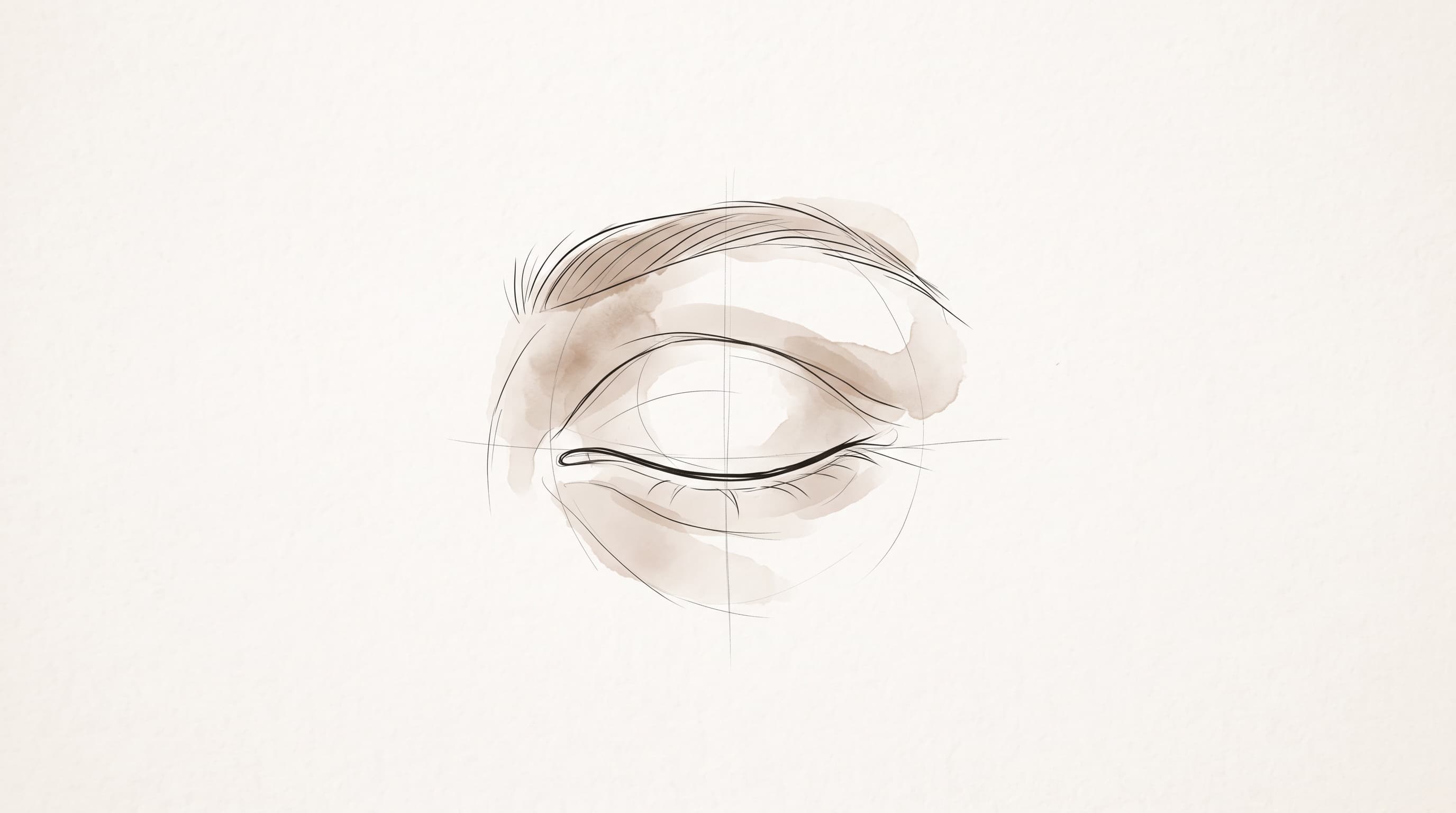
Upper blepharoplasty removes a measured amount of excess skin, and sometimes fat, from the upper lids. Lower blepharoplasty treats bags under the eyes. Both can make the eyes look fresher and less tired. Neither changes the colour of dark circles, fine crow's feet or the position of a low brow; those need other treatments, and an honest consultation should tell you which ones.
Look at the brow first
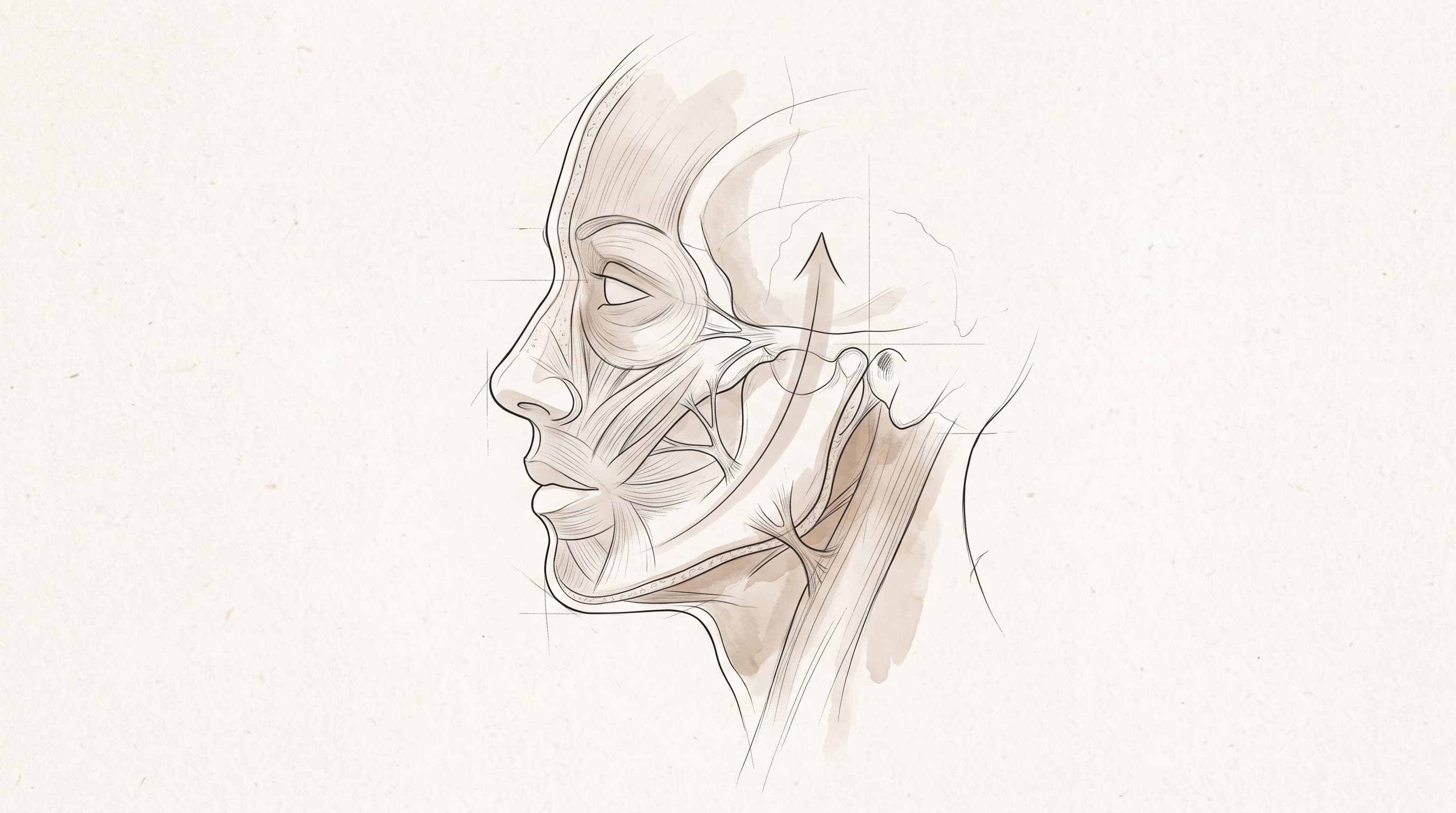
Many people who ask for upper eyelid surgery actually have a brow that has descended over time. When the brow drops, it pushes skin down onto the upper lid. Removing eyelid skin in that situation can pull the brow even lower and make the eyes look heavier, not lighter.
Prof. Tezel assesses brow position before any eyelid skin is removed. When the brow is the cause, an endoscopic brow lift, performed through small incisions within the hair, is combined with, or replaces, upper blepharoplasty.
Upper and lower eyelid surgery compared
| Feature | Upper blepharoplasty | Lower blepharoplasty |
|---|---|---|
| Main concern | Hooded or heavy upper lids | Bags or puffiness under the eyes |
| Incision | Hidden in the natural eyelid crease | Just below the lashes or inside the lower lid |
| What is done | Measured skin removal, and fat where needed | Fat repositioned or conservatively removed; lid supported |
| Key safeguard | Brow position assessed first | Lower lid and outer corner supported to keep the eye's shape |
How Prof. Tezel approaches eyelid surgery
Eye contour surgery is one of Prof. Tezel's special interests. He trained in oculoplastic surgery at William Beaumont Hospital in Detroit and has published techniques for reconstruction around the eyes, including a medial pedicled orbicularis oculi flap for the inner corner of the eye in the Annals of Plastic Surgery. That reconstructive background shapes his cosmetic work: the aim is always a fresher look with eyes that still look like yours.
Protecting the shape of the eye
A rounded or pulled-down lower lid is one of the tell-tale signs of eyelid surgery. In lower blepharoplasty, the lower lid and the outer corner of the eye are supported during the operation so that their shape does not change as the tissues heal. Fat is repositioned to smooth the transition between lid and cheek where possible, rather than simply removed, to avoid a hollow look.
Combining eyelid surgery with other procedures
Eyelid surgery is often combined with a Deepest Plane Facelift or an endoscopic brow and midface lift in the same session. Combining procedures means one recovery period, but it can extend your stay in Istanbul by a few days.
Who is a good candidate?
- ·Excess upper eyelid skin that makes the eyes look tired or, in some cases, sits on the lashes
- ·Persistent bags under the eyes that do not change with sleep or lifestyle
- ·Good general health and realistic expectations
Tell your surgeon about dry eyes, recent laser eye surgery, thyroid problems or any eye condition, as these affect planning. An eye examination may be recommended before surgery.
Non-surgical alternatives
For mild changes, non-surgical treatments can sometimes help. Injectable treatments can lift the brow slightly for a few months, and fillers are occasionally used to soften the transition between the lower lid and cheek. These options have their own risks, particularly around the eyes, and their effects are temporary. They cannot remove excess upper eyelid skin or reposition fat bags, which is where surgery tends to give a more predictable improvement.
Preparing for eyelid surgery
- ·Tell your surgeon about dry eyes, contact lens use, laser eye surgery and any eye or thyroid condition
- ·Review blood-thinning medicines and supplements with your surgeon and GP; never stop prescribed medication without medical advice
- ·Stop smoking and vaping for the period your surgeon advises
- ·Pack sunglasses and a supply of preservative-free lubricating drops if your surgeon recommends them
- ·Plan to stop wearing contact lenses for a period after surgery
Surgery and your stay in Istanbul
- ·Surgery time: 1 to 2 hours
- ·Anaesthesia: usually local anaesthesia with sedation
- ·Hospital stay: same day
- ·Stitches removed: between day 5 and day 7
- ·Time in Istanbul: about 7 days
- ·Final result: about 3 months, with scars continuing to fade after that
Recovery after blepharoplasty
| Time after surgery | What usually happens |
|---|---|
| Days 1 to 3 | Bruising and swelling peak; cold compresses and rest with your head raised |
| Days 5 to 7 | Stitches removed; most patients are cleared to fly |
| Weeks 1 to 2 | Most people return to work; sunglasses help outdoors |
| Weeks 2 to 6 | Remaining swelling settles; avoid strenuous exercise until advised |
| Around 3 months | The final appearance is visible; scars keep fading over the following months |
Dry air in aircraft cabins can make healing eyes feel dry, so use any drops you have been prescribed. Our guide to flying home after facial surgery has more practical advice.
Risks
Risks of eyelid surgery include bruising, swelling, dry or irritated eyes, temporary difficulty closing the eyes fully, asymmetry, visible scarring and, uncommonly, a change in the position of the lower lid that may need further treatment. Serious problems with vision are rare but need urgent attention. The NHS page on eyelid surgery gives a useful independent overview. Results vary between individuals, and every risk is discussed with you before surgery.
01Will eyelid surgery change the shape of my eyes?
It should not. Supporting the lower lid and the outer corner of the eye is part of the operation precisely so that the eye keeps its natural shape.
02Is blepharoplasty done under general anaesthesia?
Usually not. Most eyelid surgery is performed under local anaesthesia with sedation and you go home the same day. General anaesthesia is used when it is combined with other procedures.
03Will I have visible scars?
Upper lid scars sit in the natural crease and lower lid incisions are just below the lashes or inside the lid. Scars are usually hard to see once they have matured, although healing varies.
04How long do I need to stay in Turkey for eyelid surgery?
Plan for about 7 days. Stitches are removed between day 5 and day 7, and you are checked before you fly.
05Can I have upper and lower eyelid surgery together?
Yes, upper and lower blepharoplasty are often performed in the same session, and they can be combined with a brow lift or facelift when appropriate.
Next step
Whether you need eyelid surgery, a brow lift or both depends on a careful assessment. Send front and side photographs with your eyes open and relaxed for review, and arrange a video consultation. You can read more on the eyelid surgery page.
Results vary between individuals. The information on this website is for general guidance and does not replace a personal medical consultation. Surgery carries risks, which are discussed before any decision. A consultation is required to determine suitability.