
Can't Breathe Through Your Nose? Causes, Tests and When Surgery Helps
Why some noses stay blocked, how a GP or ENT specialist finds the cause, which treatments are tried first and when surgery on the septum or nose can make a difference.
If you can't breathe through your nose, or one side always seems blocked, you are far from alone. A persistently blocked nose affects sleep, exercise, concentration and even how your voice sounds. The good news is that most causes can be identified and treated, and many improve without surgery. This guide explains the common causes, the simple checks a doctor will do, the treatments usually tried first, and when an operation on the septum or the nose itself is likely to help.
Why can't I breathe through my nose?
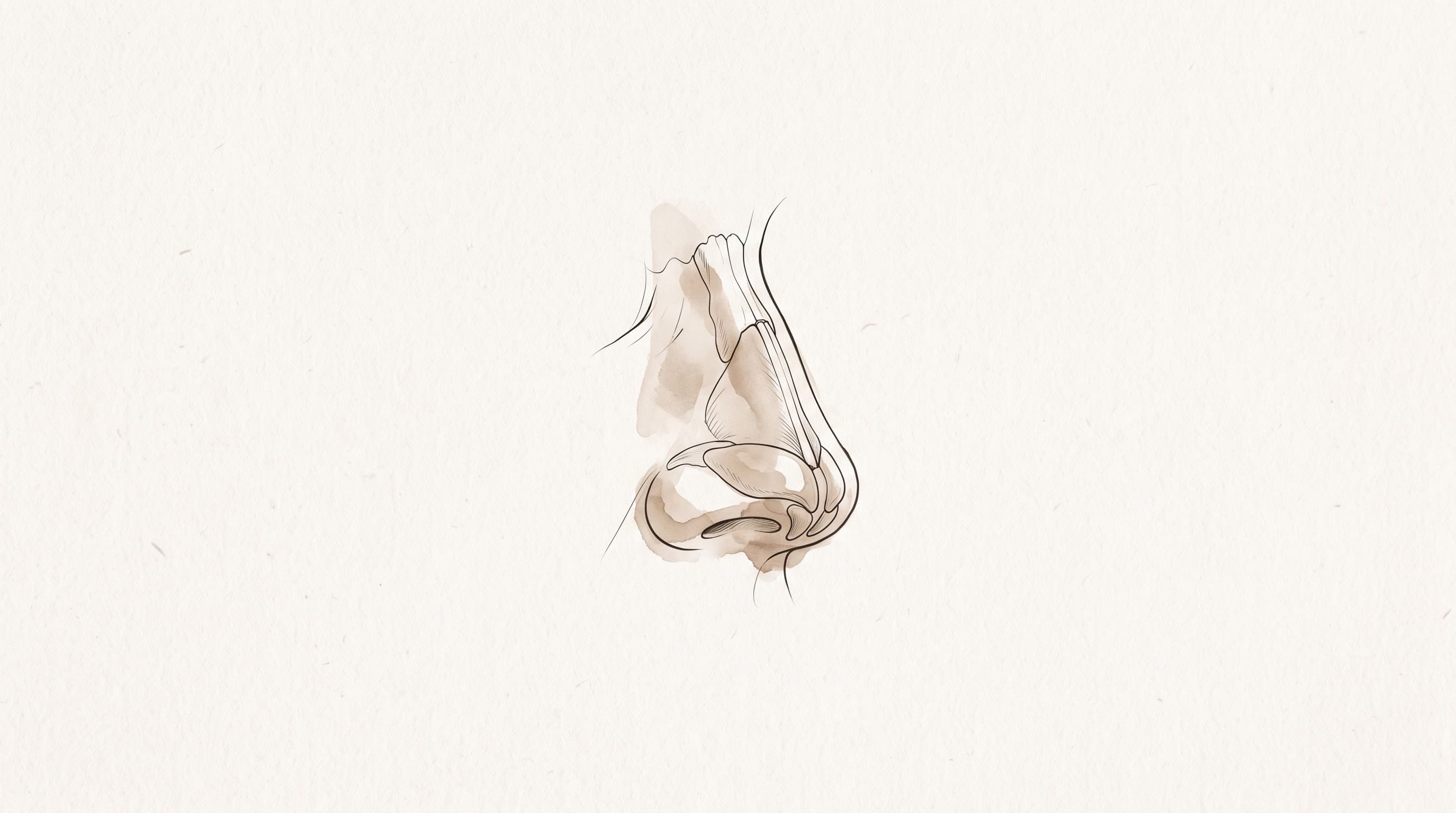
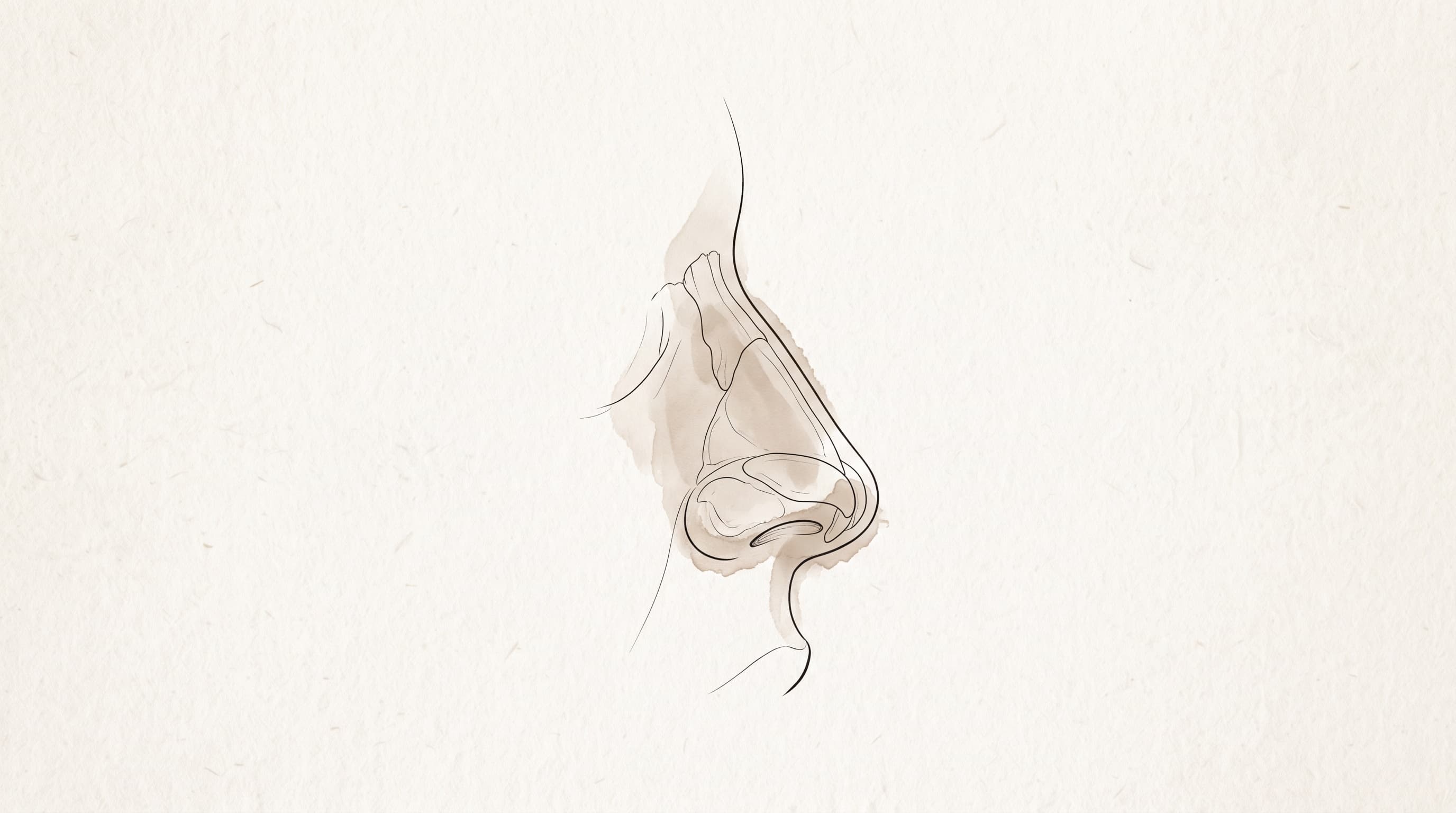
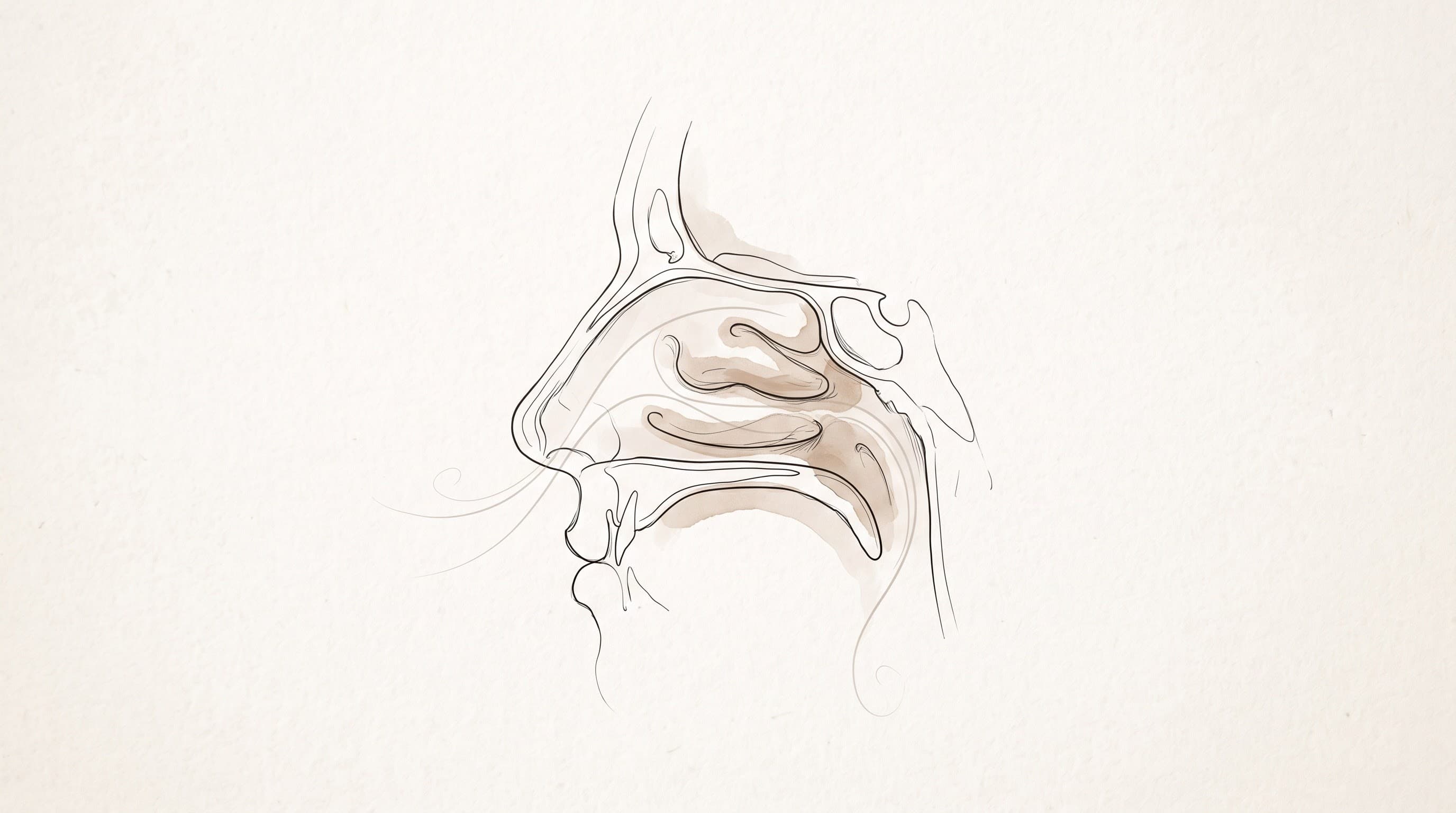
Air enters through the nostrils, passes the narrowest point of the nose just inside the tip (the internal nasal valve), and then flows past the septum and the turbinates, curled ridges of bone and soft tissue on the side walls that warm and moisten the air. A blockage at any of these points can make breathing feel difficult. Broadly, the causes fall into two groups: the lining is swollen, or the structure is narrowed.
| Cause | What is happening | Typical clues |
|---|---|---|
| Allergic or non-allergic rhinitis | The lining of the nose swells | Comes and goes, often both sides, sneezing or runny nose, better with steroid sprays |
| Decongestant overuse | The lining rebounds after nasal decongestant sprays are used for too long | Blockage worsens when the spray wears off |
| Deviated septum | The central wall of the nose is bent | Often worse on one side, constant, may follow an injury |
| Nasal valve collapse | The side wall of the nose falls inwards when you breathe in | Worse with deep breaths or exercise; nasal strips may help |
| Enlarged turbinates | The turbinates are swollen or large | Blockage may alternate between sides |
| Nasal polyps | Soft swellings grow from the lining | Reduced sense of smell, both sides, often with sinus symptoms |
These causes often overlap. A slightly bent septum may cause no trouble until rhinitis swells the lining; a weak valve may only become noticeable after an earlier nose operation. That is why a proper assessment matters before anyone decides on treatment.
Is it my septum? Simple self-checks
You cannot diagnose yourself, but a few observations are useful to bring to an appointment:
- ·Which side? Constant blockage on one side points more towards a structural cause than blockage that swaps sides.
- ·Pattern. Seasonal or dusty-environment symptoms suggest allergy. A blockage that has been the same for years suggests structure.
- ·The cheek test. Gently pulling the cheek outwards beside the nose (sometimes called the Cottle manoeuvre). If breathing clearly improves, the nasal valve may be part of the problem.
- ·Sprays. If a steroid nasal spray used correctly for several weeks makes no difference, a structural cause becomes more likely.
- ·History. A broken nose, a sports injury or previous nasal surgery are all worth mentioning.
When should I see a GP about a blocked nose?
See your GP if a blocked nose is troublesome and persistent, if it followed an injury, or if it is affecting your sleep. Seek prompt medical advice if the blockage is only on one side and getting worse, if you have nosebleeds from one side, a bloody or foul-smelling discharge, swelling of the face or around the eye, or changes in vision. Snoring with pauses in breathing at night should also be assessed, because it can be a sign of sleep apnoea.
How is a blocked nose treated?
Treatments usually tried first
NHS ENT patient information typically lists several first-line options (Royal Wolverhampton NHS Trust: blocked nose):
- ·Saline rinses or sprays to clear thick mucus
- ·A prescribed steroid nasal spray, which can take several weeks to work
- ·Antihistamine tablets for mild, seasonal allergy
- ·Adhesive nasal dilator strips, often at night, if the side wall of the nose collapses
- ·Stopping long-term use of decongestant sprays, which should only be used for a few days
When surgery is considered
If symptoms continue despite medical treatment and the examination shows a structural cause, surgery may be appropriate. The main options are septoplasty (straightening the septum), turbinate reduction, procedures to support the nasal valves, and rhinoplasty or septorhinoplasty when the outer shape of the nose is part of the problem. Sinus surgery or polyp removal are used for other causes.
Does septoplasty actually work?
The strongest UK evidence comes from the NAIROS trial, led by Newcastle Hospitals and published in The BMJ in 2023. It compared septoplasty with medical treatment (a steroid spray and saline) in 378 adults with at least moderately severe nasal obstruction from a deviated septum. Six months later, the surgery group reported clearly better symptom scores (NIHR evidence summary). The researchers concluded that adults with at least moderate symptoms can reasonably be considered for surgery. It is worth noting what the trial did not show: it did not study people with mild symptoms, and it did not look at cosmetic surgery of the outer nose.
Septoplasty, septorhinoplasty or rhinoplasty?
A septoplasty works on the inside of the nose and does not usually change how it looks (Northern Care Alliance NHS: septoplasty). If the outer nose is also crooked, the tip is weak, or the valves collapse, a septorhinoplasty may treat breathing and shape together. In Prof. Dr. Erdem Tezel's practice, breathing is assessed alongside appearance in every rhinoplasty, and the septum is treated as the central column that supports the tip. You can read how that works in our guide to closed rhinoplasty.
| Operation | What it changes | Changes appearance? |
|---|---|---|
| Septoplasty | Straightens the septum inside the nose | Not usually |
| Turbinate reduction | Reduces the size of the turbinates | No |
| Valve support (grafts or sutures) | Strengthens the side walls so they do not collapse | Sometimes slightly |
| Septorhinoplasty | Treats the septum and reshapes the outer nose | Yes |
Can I have surgery for breathing on the NHS?
Septoplasty is available on the NHS when it is clinically indicated, usually after a GP referral to an ENT specialist and a trial of medical treatment. Rhinoplasty purely to change appearance is not usually available on the NHS, although the NHS notes that nose surgery may be provided when it is needed to help you breathe (NHS: nose reshaping). Waiting times vary by area. Some people choose private treatment, in the UK or abroad, particularly when they also want to change the shape of their nose.
What to expect after septum or nose surgery
After septoplasty, the nose often feels blocked for several weeks while the lining heals, and full recovery can take about three months. After a septorhinoplasty, there is also a splint for about a week and swelling of the outer nose that settles over many months. Possible risks include bleeding, infection, a hole in the septum (septal perforation), numbness of the upper teeth or lip, and a change in the sense of smell. Breathing usually improves once healing is complete, but no operation can promise a fully clear nose, especially if rhinitis is also present.
Living with a blocked nose while you wait for assessment
- ·Use saline rinses once or twice a day to clear mucus.
- ·If a steroid spray has been prescribed, aim it slightly away from the septum and use it every day; it works over weeks, not days.
- ·Avoid using decongestant sprays for more than a few days at a time.
- ·Raise the head of the bed if blockage is worse at night.
- ·Try adhesive nasal strips at night if the side walls seem to collapse.
- ·Keep a symptom diary to show your GP or specialist.
Considering surgery abroad for a breathing problem
Some people combine a functional operation with a change in the shape of their nose and choose to have it abroad. If you do, ask for a full examination of the inside of the nose, not only photographs of the outside, and make sure the surgeon will treat the septum and valves as part of the plan. Ask how follow-up will work once you are home, and allow enough time in the city for the splint to be removed and the nose checked before flying. The NHS also recommends having two consultations before surgery so you have time to reflect (NHS: cosmetic surgery abroad). Our guide to closed rhinoplasty explains how breathing is assessed alongside shape.
How Prof. Tezel assesses a blocked nose
Prof. Dr. Erdem Tezel is a professor of plastic, reconstructive and aesthetic surgery at Marmara University in Istanbul, where he has been a member of the faculty since 1996. In rhinoplasty consultations he examines the septum, the nasal valves and the support of the tip before discussing shape. If the main problem is swelling of the lining rather than structure, he will say so: surgery is not the right answer for every blocked nose.
01Why is only one side of my nose always blocked?
Constant blockage on one side is often structural, for example a deviated septum. Blockage that alternates between sides is more often due to the normal nasal cycle or swelling of the lining. One-sided blockage that is getting worse, or comes with bleeding, should be checked promptly by a GP.
02Will a blocked nose ever clear on its own?
A structural blockage will not usually resolve on its own, but it can often be treated. Swelling of the lining tends to vary and usually responds to medical treatment.
03Do nasal sprays fix a deviated septum?
Sprays can reduce swelling of the lining, which may make a bent septum less troublesome, but they cannot straighten it. In the NAIROS trial, septoplasty gave better results than sprays for moderate to severe symptoms.
04Can rhinoplasty fix breathing problems?
It can when the cause is structural, for example a deviated septum, weak nasal valves or a tip that lacks support. Rhinoplasty does not treat allergies or polyps.
05Is a blocked nose a sign of something serious?
Usually not. However, worsening blockage on one side, nosebleeds from one side, a foul discharge, facial swelling or vision changes should be assessed promptly.
06How long does a septoplasty take to recover from?
Most people need about two weeks off work. The nose can feel blocked for around six weeks, and full recovery usually takes about three months.
Next step
If you have been told your blockage is structural and you are also unhappy with the shape of your nose, send front, side and base photographs with a short description of your breathing symptoms. Prof. Tezel can then explain whether a combined operation would be appropriate for you.
Results vary between individuals. The information on this website is for general guidance and does not replace a personal medical consultation. Surgery carries risks, which are discussed before any decision. A consultation is required to determine suitability.