
Deviated Septum: Symptoms, Self-Checks and Treatment Options in the UK
What a deviated septum is, the symptoms it causes, how it is diagnosed, and how sprays, septoplasty and septorhinoplasty compare for UK patients.
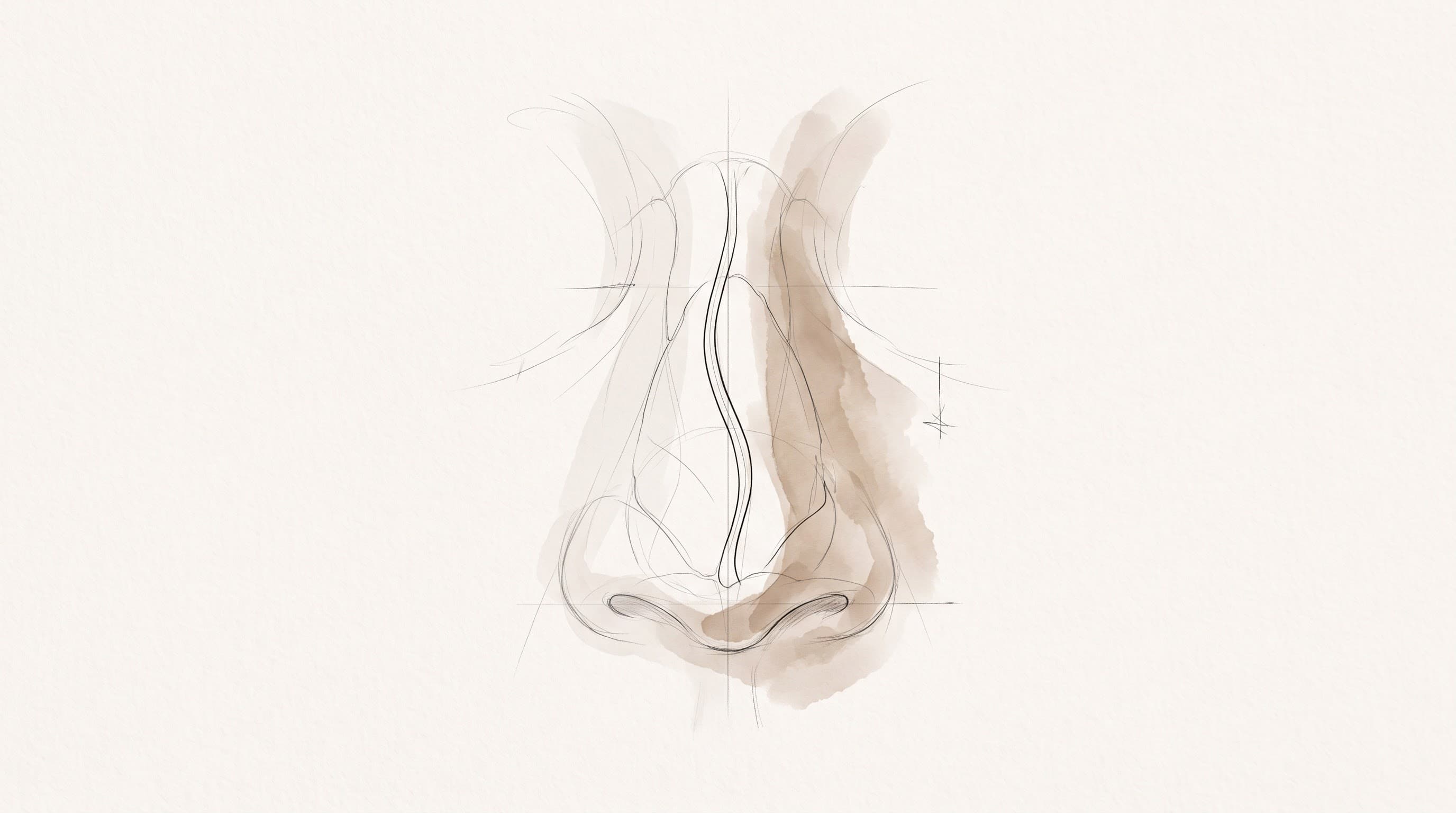
A deviated septum means the wall of cartilage and bone that divides the inside of the nose is bent towards one side. Almost everyone's septum is slightly off-centre, and most people never notice. When the bend is more marked, it can narrow one or both airways and cause a constantly blocked nose. This guide explains the typical deviated septum symptoms, how the condition is diagnosed, what you can check before an appointment, and how the treatment options compare for patients in the UK.
What is the septum, and why does it bend?
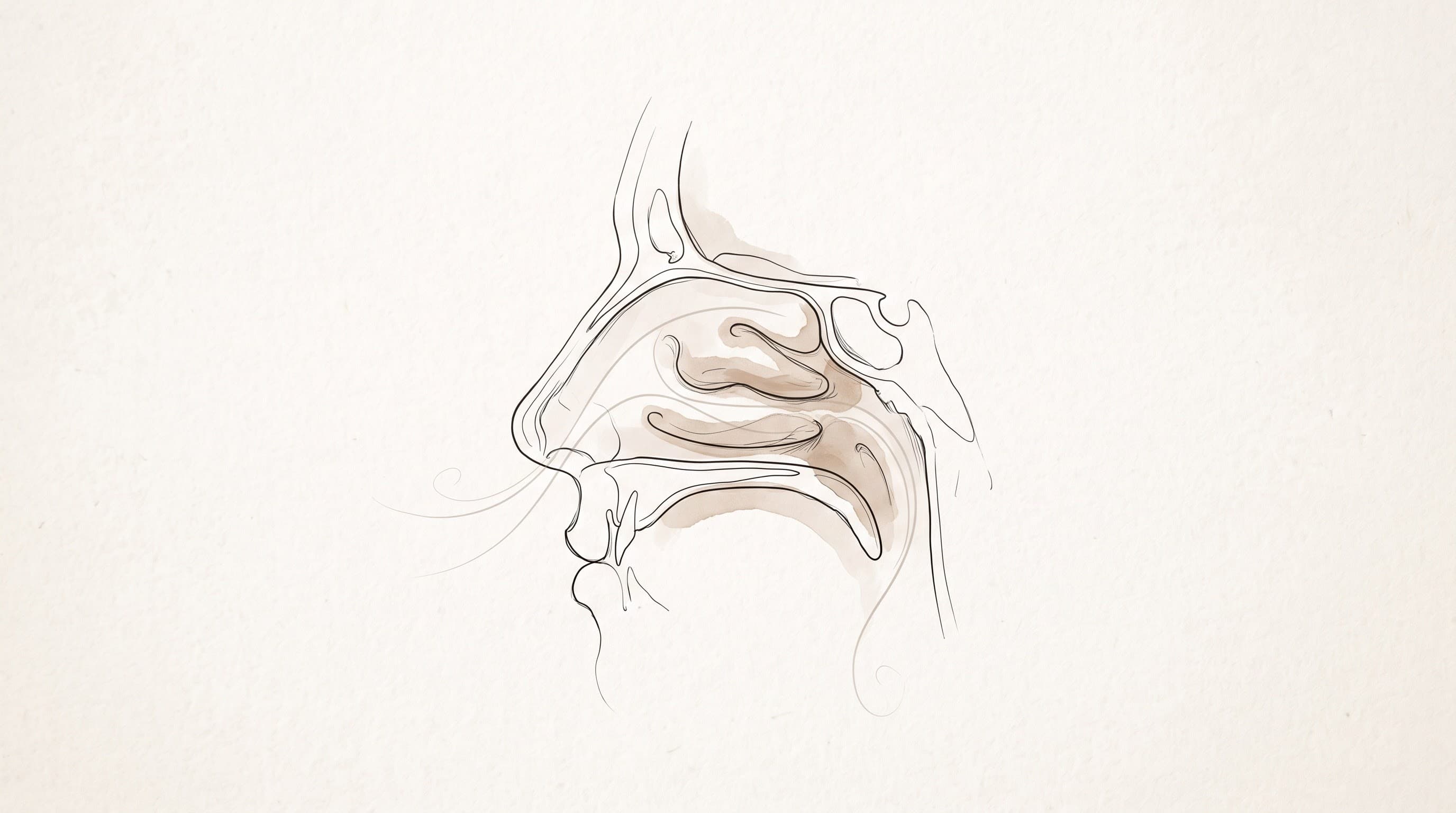
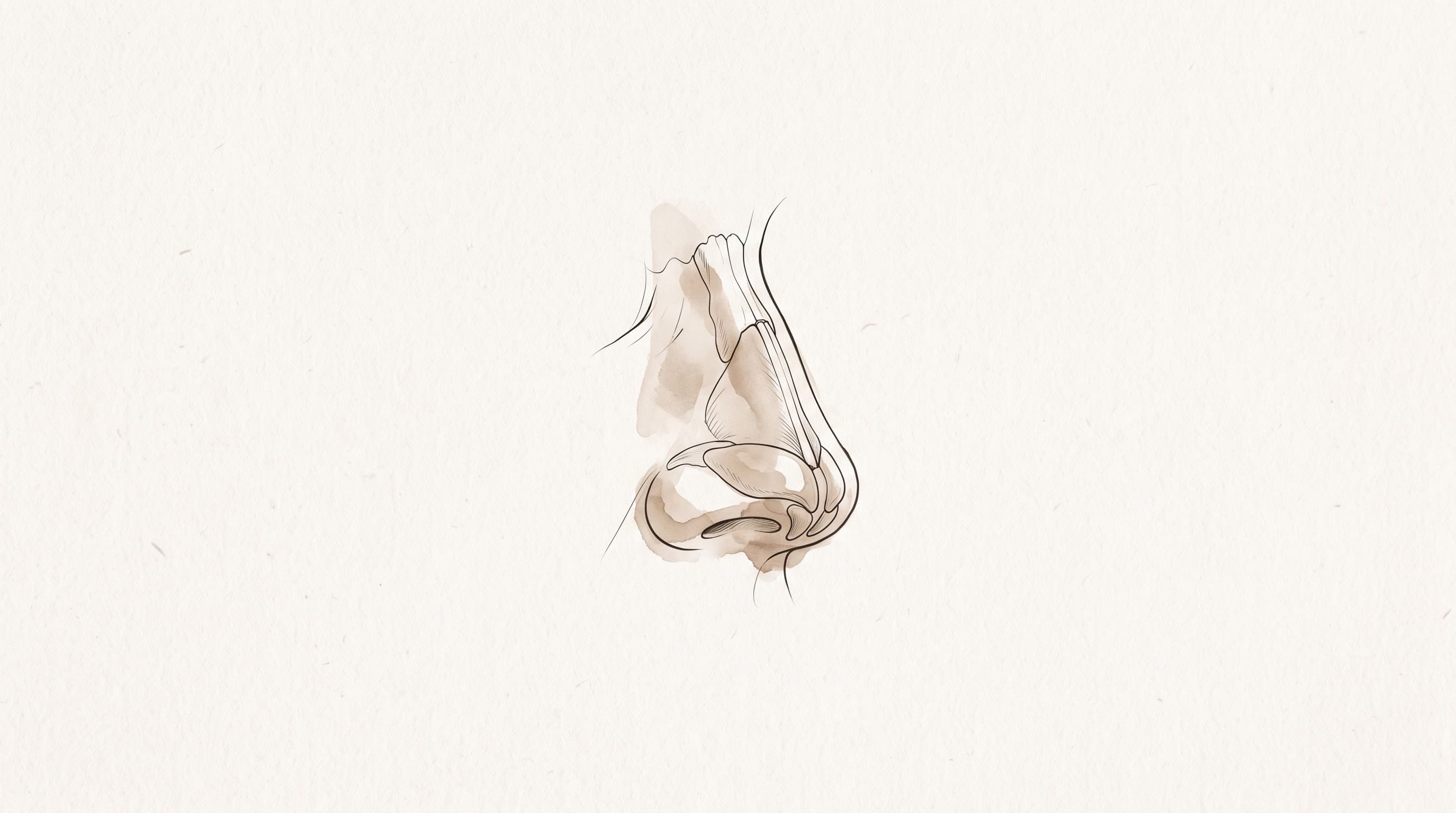
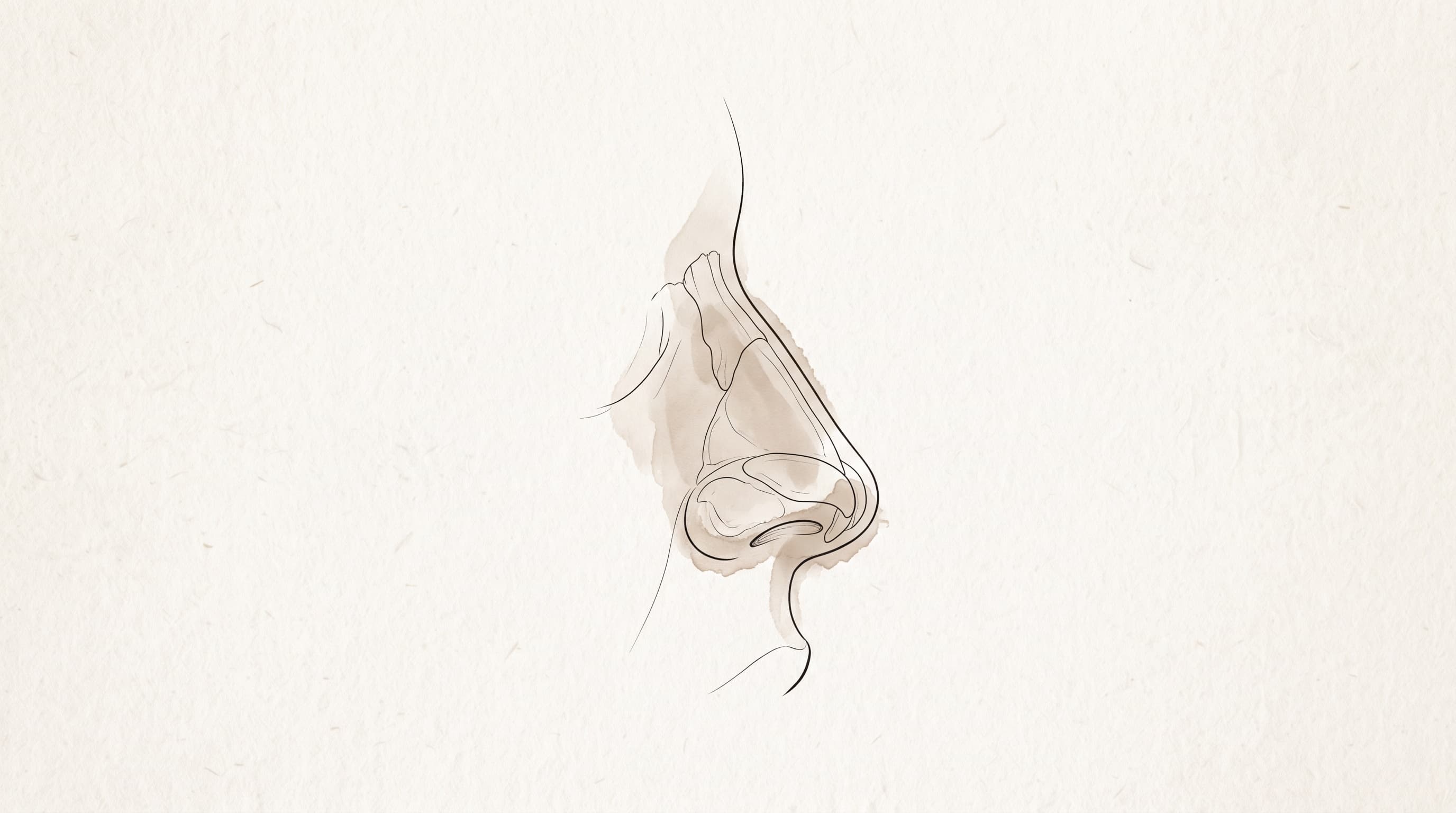
The septum runs from the nostrils to the back of the nose. Its front part is cartilage, which is flexible; the back part is thin bone. Besides dividing the airways, the front of the septum supports the nasal tip, which is why its shape matters both for breathing and for how the nose looks.
A septum can be bent from birth or become bent as the face grows. It can also be displaced by an injury, sometimes one that seemed minor at the time, such as a fall in childhood or a knock during sport. Previous nasal surgery can also leave the septum displaced or weakened.
Deviated septum symptoms
- ·A blocked nose that is constant rather than coming and going
- ·Blockage that is worse on one side
- ·Breathing through the mouth, especially at night
- ·Snoring or disturbed sleep
- ·Nosebleeds, because the airflow can dry the lining over the bend
- ·Recurrent sinus symptoms in some people
- ·A visibly crooked nose, if the front of the septum is also displaced
None of these symptoms is specific. Allergic rhinitis, enlarged turbinates, weak nasal valves and polyps can all cause similar complaints, and they often occur alongside a bent septum. Our guide to why you can't breathe through your nose explains how these causes differ.
Self-checks before you see a doctor
Keeping a simple record helps your GP or ENT specialist. Note which side is blocked and whether it changes, whether symptoms are seasonal, whether a steroid spray used correctly for several weeks has helped, and whether gently pulling the cheek outwards beside the nose makes breathing easier. Mention any history of injury or previous nasal surgery.
How is a deviated septum diagnosed?
A GP can often see a deviation at the front of the nose with a light. An ENT specialist will usually examine the nose more fully, sometimes with a thin camera (nasal endoscopy), to look at the back of the septum, the turbinates and for polyps. Scans are not needed for most patients, but may be requested if sinus disease is suspected. Some clinicians use a short questionnaire, such as the NOSE score, to measure how much the blockage affects daily life.
Treatment options for a deviated septum
| Option | What it does | Best suited to |
|---|---|---|
| Watchful waiting | No treatment | A mild bend that causes few symptoms |
| Steroid spray and saline | Reduces swelling of the lining | Symptoms where rhinitis adds to the blockage |
| Nasal dilator strips | Hold the side walls open | Valve collapse, often at night or during exercise |
| Septoplasty | Straightens the septum inside the nose | Moderate to severe symptoms from the bend itself |
| Septorhinoplasty | Straightens the septum and reshapes the outer nose | A crooked or weak nose as well as a blocked airway |
Why sprays are not enough for some people
A steroid spray can shrink swollen lining and make a bent septum less noticeable, but it cannot move cartilage. The UK NAIROS trial, published in The BMJ in 2023, compared septoplasty with sprays in 378 adults with at least moderate symptoms. Surgery led to clearly better symptom scores at six months (NIHR evidence summary). For people with mild symptoms, medical treatment remains a sensible first step.
Septoplasty
A septoplasty is performed through an incision inside the nose. The bent parts of the septum are straightened, repositioned or partly removed, leaving enough support for the tip. NHS information describes it as a day-case operation under general anaesthetic that takes around 45 minutes, with about two weeks off work and full recovery within about three months (Northern Care Alliance NHS: septoplasty). It does not usually change the appearance of the nose.
Septorhinoplasty
If the front of the septum is badly displaced, the outer nose is crooked, or the tip is weak, straightening the inside alone may not be enough. A septorhinoplasty treats the septum and the outer nose in the same operation. In Prof. Dr. Erdem Tezel's practice the septum is treated as the load-bearing column of the lower nose: it is straightened or reinforced first, and the tip cartilages are then fixed onto it, as described in our closed rhinoplasty guide.
Deviated septum treatment on the NHS or privately
Septoplasty is available on the NHS when symptoms justify it, usually after GP referral and a trial of medical treatment. Waiting times vary by region. Surgery to change the shape of the nose is not usually available on the NHS for cosmetic reasons (NHS: nose reshaping). People who want both breathing and appearance addressed sometimes choose a private septorhinoplasty.
Risks of septum surgery
Risks include bleeding, infection, a hole in the septum (septal perforation), numbness of the upper teeth or lip, a change in the sense of smell, persistent blockage if other causes are present and, uncommonly, a change in the shape of the nose. A thorough assessment beforehand reduces the chance of operating on the wrong problem.
Deviated septum after a broken nose
An injury can displace the septum as well as the nasal bones. If a broken nose is assessed in the first week or two, the bones can sometimes be moved back without open surgery. Once they have healed in the wrong position, correction usually needs a septorhinoplasty, which treats the septum, bones and cartilage together. A septum displaced at its front edge is also more likely to affect the tip and the shape of the nostrils.
Deviated septum myths and facts
| Myth | Fact |
|---|---|
| A deviated septum is rare | Most people have some deviation; it only matters if it causes symptoms |
| If I can see a crooked nose, my septum is the problem | The outer nose and the septum can be crooked independently; both need examining |
| Sprays will straighten the septum | Sprays reduce swelling of the lining; only surgery moves cartilage and bone |
| Septoplasty always cures snoring | Snoring has several causes, many of them in the throat |
| Septoplasty changes how the nose looks | Not usually; a septorhinoplasty is needed to change the outer nose |
Recovery after septoplasty, step by step
| Time after surgery | What usually happens |
|---|---|
| Day of surgery | Day-case operation; any packing is usually removed the next morning |
| First 2 weeks | Blocked nose, crusting and some blood-stained discharge are normal; time off work |
| Up to 6 weeks | The nose may still feel blocked while the lining heals; saline rinses help |
| Around 3 months | Full recovery and the best time to judge the result |
What happens at an ENT appointment for a blocked nose?
An ENT assessment usually starts with questions about when the blockage started, which side is affected, whether it changes with the seasons, what treatments have been tried and whether there has been any injury or previous surgery. The specialist then looks inside the front of the nose with a light and often passes a thin flexible or rigid camera to see further back. This shows the shape of the septum along its length, the size of the turbinates, the nasal valves and whether polyps are present. The examination takes a few minutes and is usually done with a local anaesthetic spray.
At the end, you should understand which structure is responsible for your symptoms, whether medical treatment is worth trying first, and whether surgery is likely to help. If you are also thinking about changing the shape of your nose, say so at this stage, because it can change which operation is recommended.
Questions to ask before septum surgery
- ·What exactly is causing my blockage: the septum, the valves, the turbinates or the lining?
- ·Would treating the turbinates or valves at the same time help?
- ·Will the operation change how my nose looks?
- ·How much support will be left for my nasal tip?
- ·What results can I realistically expect for my breathing?
A surgeon's view
Prof. Dr. Erdem Tezel is a professor of plastic, reconstructive and aesthetic surgery at Marmara University in Istanbul, where he has been a member of the faculty since 1996. Because the septum supports the nasal tip, he plans breathing and appearance together in every rhinoplasty, and will tell you plainly if a septoplasty alone is likely to be enough.
01How do I know if I have a deviated septum?
Only an examination can confirm it. A constant blockage that is worse on one side, mouth breathing and snoring are common clues, particularly after an old injury.
02Can a deviated septum get worse with age?
The septum itself does not usually bend further, but the nose's soft tissues and tip support change with age, which can make an existing deviation more noticeable.
03Does a deviated septum cause snoring?
It can contribute, because it pushes people towards mouth breathing. Snoring has many causes, and snoring with pauses in breathing should be checked for sleep apnoea.
04Will septoplasty change the shape of my nose?
Not usually. A septorhinoplasty is needed if you also want the outer nose changed.
05Can a deviated septum be fixed without surgery?
No treatment other than surgery can straighten the septum, but sprays and rinses can reduce symptoms if swelling of the lining is part of the problem.
06How long is recovery from septoplasty?
About two weeks off work, a nose that may feel blocked for around six weeks, and full recovery within about three months.
Next step
If your septum has been confirmed as the cause of your symptoms and you are also unhappy with the shape of your nose, send front, side and base photographs with a note about your breathing. Prof. Tezel can then explain whether a septorhinoplasty is appropriate.
Results vary between individuals. The information on this website is for general guidance and does not replace a personal medical consultation. Surgery carries risks, which are discussed before any decision. A consultation is required to determine suitability.